
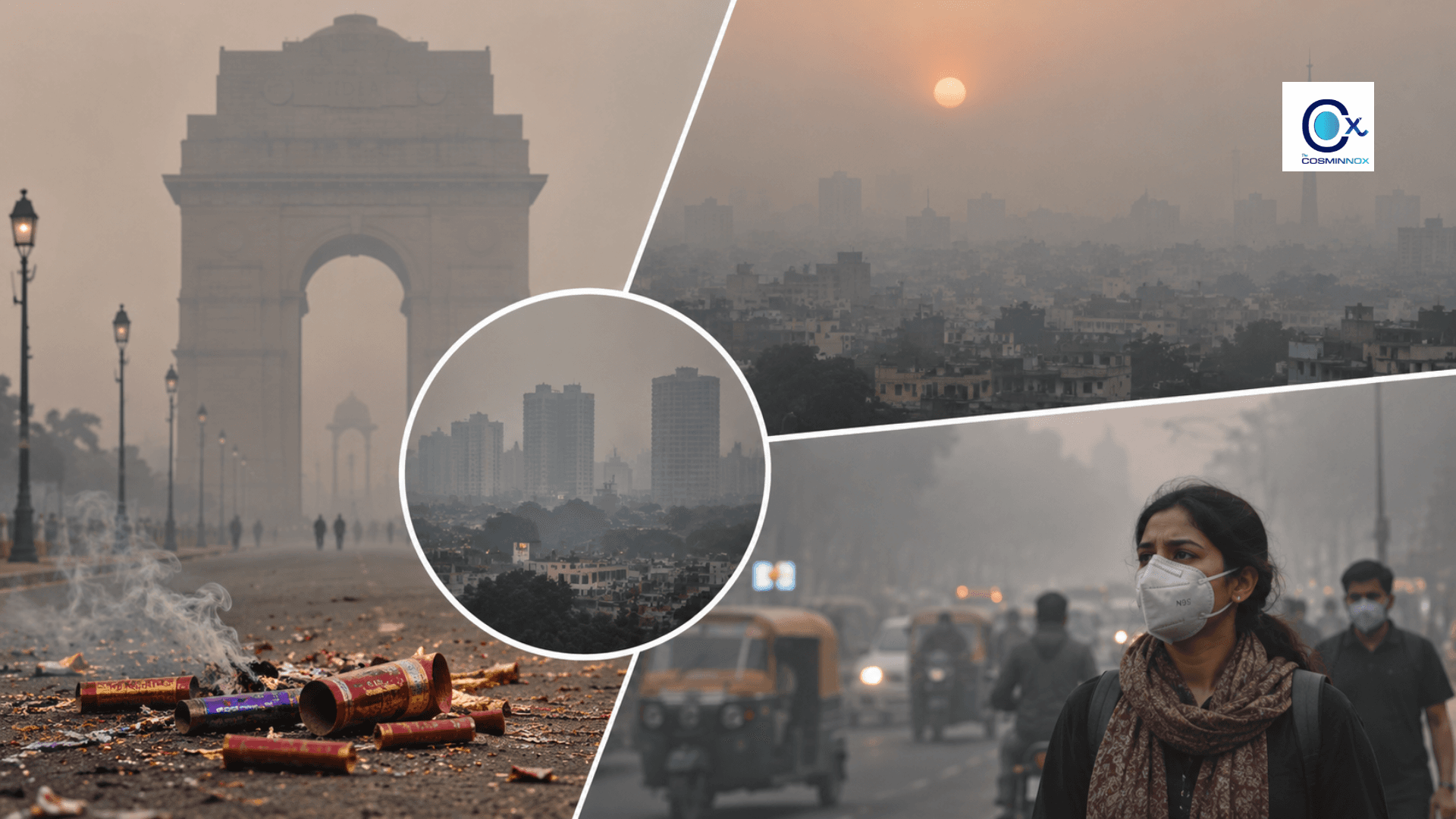
Delhi's post-Deepavali smog is more than a seasonal inconvenience. It is a test of public-health preparedness, environmental regulation and the right to breathe safely.
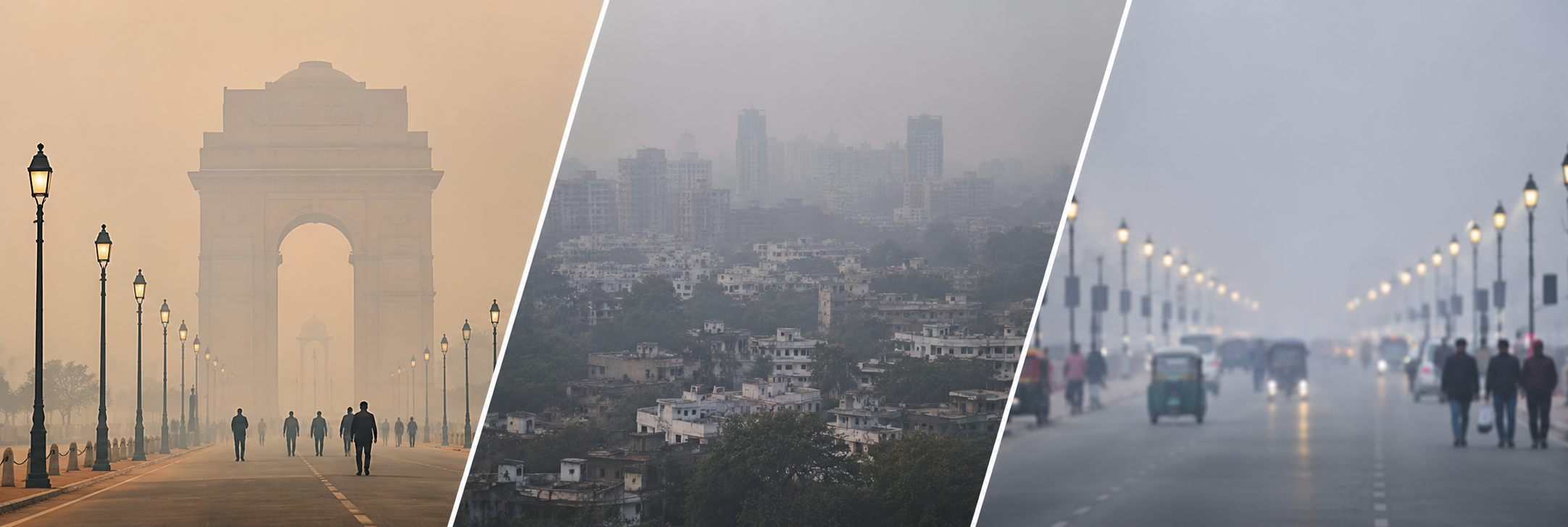
On the morning of 9 November 2026, Delhi woke to a familiar but deeply troubling sight. A thick grey haze covered roads, buildings and public spaces, reducing visibility and exposing residents to hazardous air.
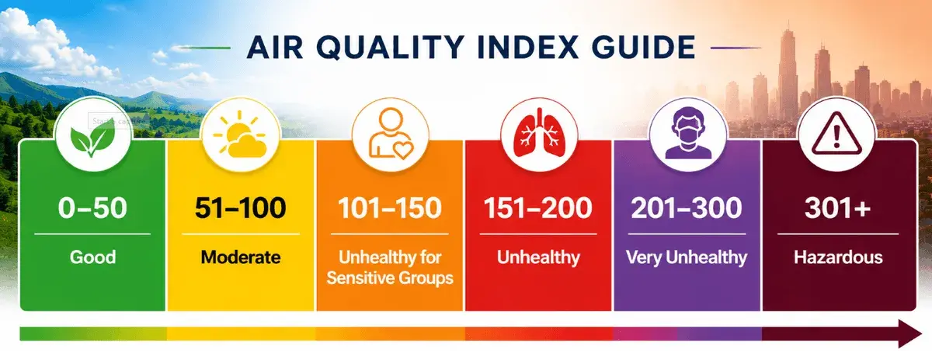
The morning after Deepavali, the Air Quality Index (AQI) at ITO reached 406 at approximately 4:20 a.m., crossing into the severe category. Jahangirpuri recorded 433, Chandni Chowk 418 and Mundka 417, while several other locations remained in the very poor category.
The timing was particularly concerning because Delhi was already heavily polluted before the celebrations began. Firecrackers added a concentrated burst of smoke and fine particles to an atmosphere burdened by traffic, dust, industrial emissions and seasonal agricultural burning.
The problem is no longer whether Delhi will experience dangerous winter pollution. The more urgent question is why a recurring and largely foreseeable public-health emergency continues to overwhelm preventive systems.
1. A Capital Already Struggling to Breathe
Delhi's citywide AQI stood at 369 on 7 November and 376 on Deepavali, 8 November. By the following morning, several neighbourhood monitoring stations had crossed 400.
Delhi's air-quality deterioration around Deepavali
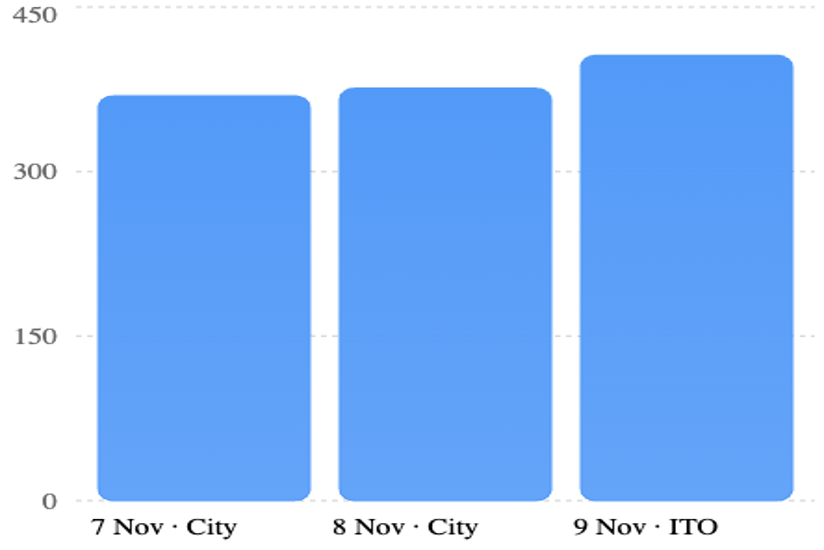
CPCB-based reported readings. November 9 is an ITO station reading, not a citywide average.
These readings illustrate the deterioration but should not be interpreted as a like-for-like citywide trend, because the final measurement is from one station.
What the AQI numbers mean
The danger cannot be attributed to fireworks alone. They are a short-term pollution shock superimposed on a year-round emissions problem. Even without firecrackers, Delhi's existing pollution burden would remain a major health concern.
The city's winter conditions compound the crisis. Cooler air, weaker winds and limited atmospheric mixing restrict the dispersal of pollutants, allowing them to accumulate close to the ground.
2. The Next Few Days: What Delhi May Face
The Air Quality Early Warning System forecast severe conditions from 9 November for the subsequent few days. This is a forecast, not a guarantee that every day or neighbourhood will remain equally polluted. Changes in wind, temperature, rainfall and emissions will determine how quickly the air improves.
First 24 hours: Peak exposure
Fine particles from fireworks and existing pollution can produce throat irritation, burning eyes, coughing, wheezing and breathing difficulty. People outdoors face direct exposure, while indoor air can also deteriorate.
Next 48–72 hours: Lingering smog
If stagnant weather continues, repeated exposure may worsen asthma and COPD, aggravate cardiovascular conditions and reduce visibility. Schools, hospitals and outdoor workers may face operational disruption.
Following days: Cumulative burden
Even after the firecracker plume disperses, transport emissions, road dust and regional pollution may sustain poor air quality. Recovery depends on actual pollution reductions and weather, not simply the passage of time.
The immediate effects may be felt as discomfort. The deeper concern is repeated exposure across the winter season, which increases the cumulative burden on respiratory and cardiovascular health.
3. What Polluted Air Does to the Human Body
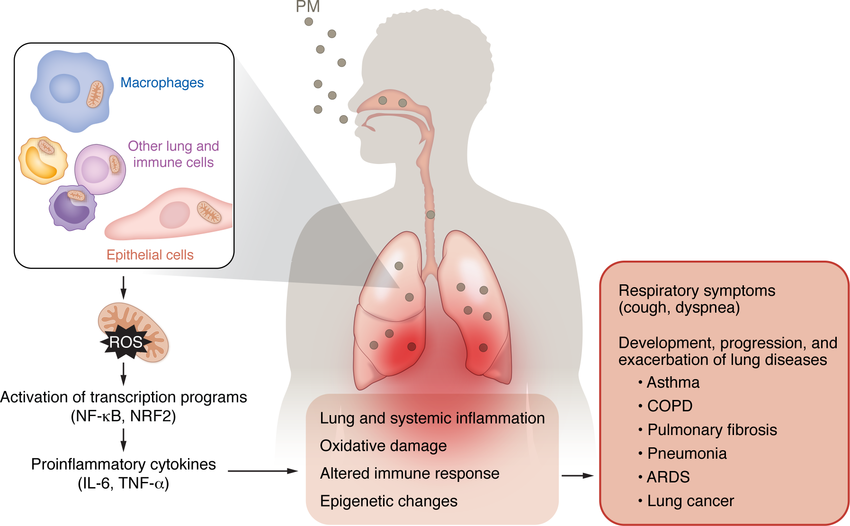
Fine particulate matter, especially PM2.5, is particularly dangerous because particles can penetrate deep into the lungs. Exposure can trigger inflammation and contribute to wider cardiovascular effects.
Illustration: How polluted air affects the body
Immediate health problems
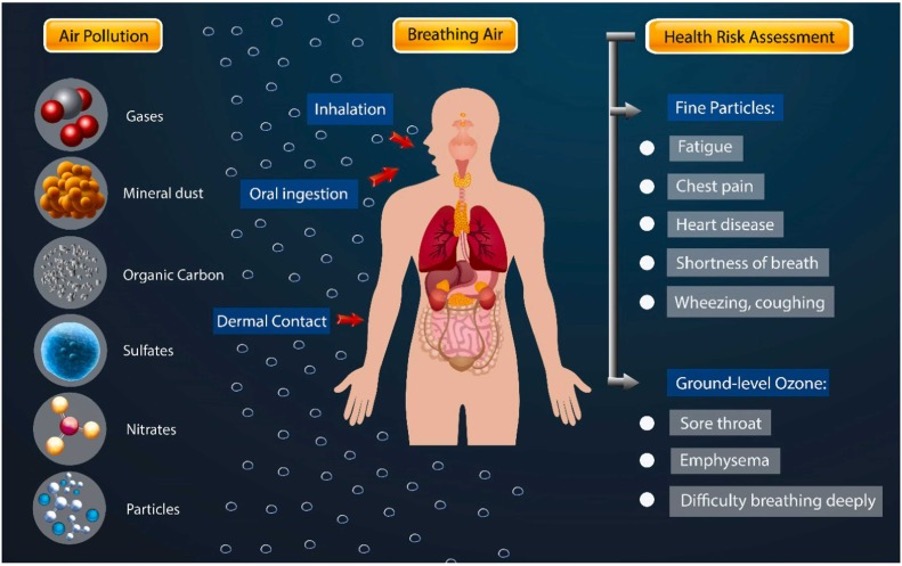
People may experience stinging eyes, nasal congestion, dry or persistent coughing, headaches, throat irritation, chest tightness, fatigue and difficulty exercising. Those with asthma may experience increased wheezing or require rescue medication more frequently.
More serious consequences
High pollution exposure can aggravate existing heart and lung disease, precipitate acute respiratory episodes and increase the risk of cardiovascular events in susceptible individuals. Repeated or long-term exposure is associated with chronic respiratory disease, impaired lung development in children and increased premature mortality risk.
Importantly, not everyone develops visible symptoms. The absence of coughing or eye irritation does not mean that exposure is harmless.
4. Who Suffers the Most?
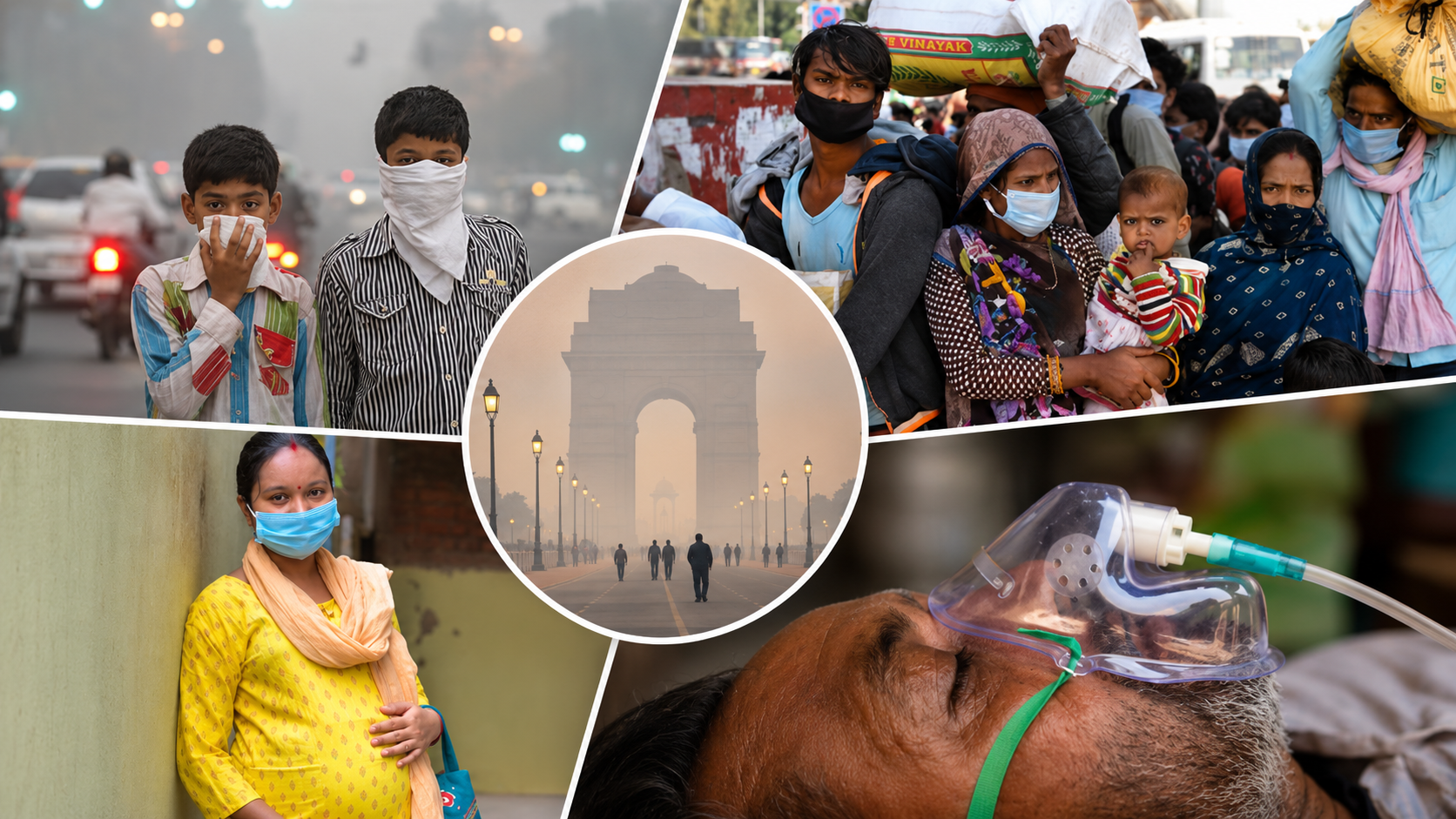
Pollution is shared across a city, but exposure and vulnerability are not equal.
Children and infants
Developing lungs, faster breathing rates and greater vulnerability to respiratory irritation and asthma attacks.
Older adults and patients
Higher risk for people with asthma, COPD, cardiovascular disease and other existing medical conditions.
Outdoor workers
Traffic police, sanitation workers, delivery personnel, street vendors and construction workers may face prolonged exposure with limited opportunities to avoid it.
Pregnant women
Sustained exposure to air pollution is associated with adverse pregnancy outcomes, including low birth weight and preterm birth.
There is also an economic inequality hidden inside the crisis. A household with air filtration, well-sealed rooms and flexible working arrangements can reduce exposure. A street vendor or daily-wage worker may have no realistic choice but to remain outdoors. Air pollution therefore becomes not only an environmental problem, but an issue of occupational safety, public health and social equity.
5. The Forgotten Victims: Animals, Birds and Urban Wildlife
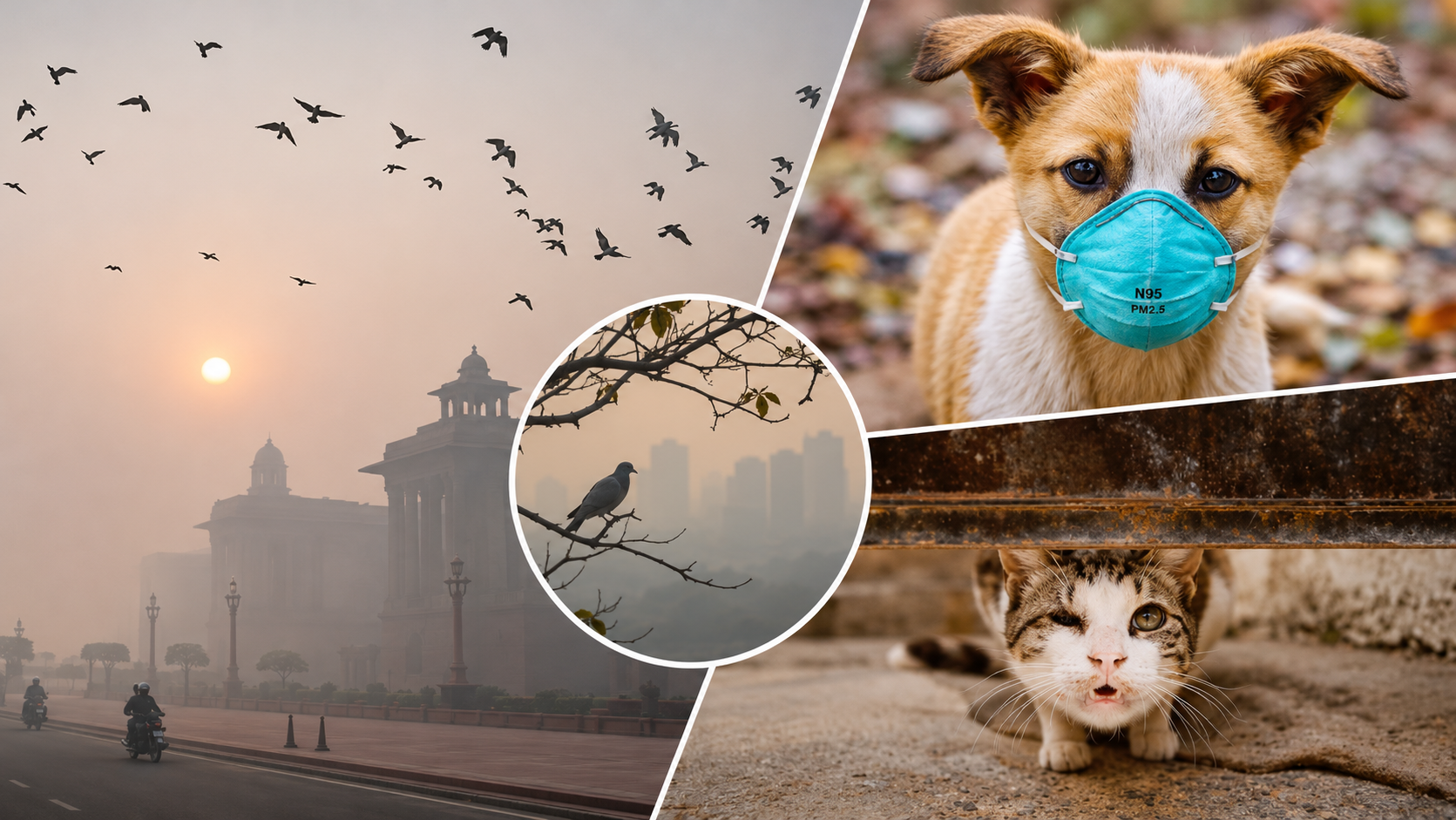
The consequences extend beyond human residents.
Dogs and cats: Firecracker explosions can trigger fear, trembling, hiding, escape attempts and injury. Smoke may irritate their eyes and airways, particularly in animals with existing respiratory or cardiac conditions.
Birds: Sudden loud explosions and bright flashes can disturb roosting birds, provoke panic flights and increase the risk of collisions. Smoke may also irritate sensitive respiratory systems.
Urban wildlife and livestock: Animals near busy roads, settlements and firecracker activity may experience stress, disorientation and exposure to airborne pollutants. The magnitude varies by species, proximity and duration.
For stray animals, the combination is especially difficult: they cannot move into filtered indoor environments, and their access to shelter, veterinary care and safe resting spaces is limited. The evidence is stronger for acute noise-related distress and respiratory irritation than for any precise estimate of animal deaths caused by Delhi's 2026 celebrations. Such figures should not be claimed without verified monitoring.
6. Two Forms of Pollution, One Public-Health Emergency
Air pollution and noise pollution are often discussed separately. During Deepavali, they occur together, creating overlapping pressures on health and well-being.
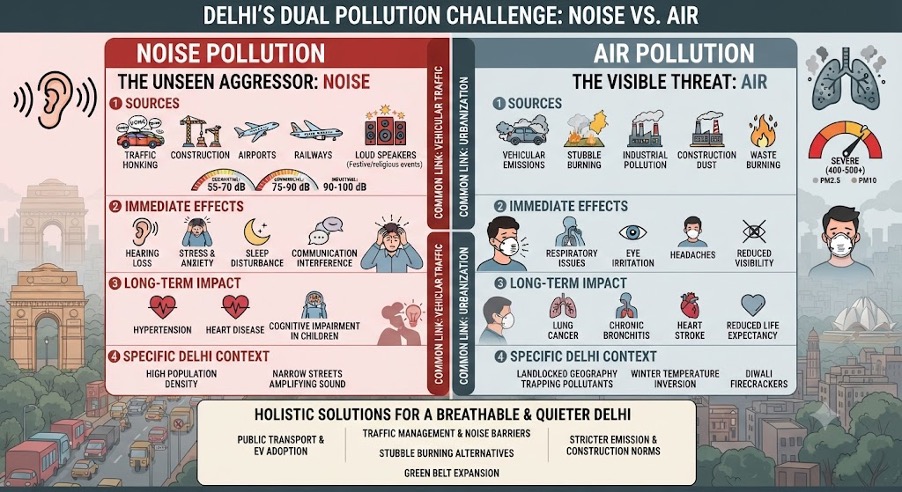
The impact of noise is particularly important for newborns, older adults, people with sensory sensitivities, patients recovering from illness and animals frightened by sudden explosions.
Repeated nighttime disturbances can also interfere with sleep, leaving people fatigued and less able to concentrate the following day.
There is a significant distinction: air pollution can remain hazardous long after the fireworks stop, while acute firecracker noise typically subsides once the explosions end. The consequences of hearing injury or prolonged stress, however, may persist.
7. What the Government Did—and What Still Fell Short
The government's response cannot accurately be described as complete inaction.
On 6 November, two days before Deepavali, the Commission for Air Quality Management (CAQM) invoked Stage III of the Graded Response Action Plan (GRAP). The measures included restrictions on dust-generating construction, older polluting vehicles and certain industrial operations, alongside provisions for hybrid schooling and reduced office attendance.
Yet the post-festival deterioration raises serious questions about enforcement, advance planning and the effectiveness of short-term restrictions.
The firecracker enforcement gap
The Supreme Court had permitted certified green firecrackers during specified hours, rather than unrestricted fireworks. Reports nevertheless described the sale or use of non-compliant crackers and fireworks continuing outside permitted periods.
This suggests that regulatory permission, product certification and enforcement on the ground were not sufficiently aligned.
The larger governance gaps
Area | What was needed |
Firecracker regulation | Stronger verification of certified products, action against illegal sales and enforcement of permitted hours |
Transport | Earlier action on high-emission vehicles, cleaner public transport and coordinated NCR traffic controls |
Construction dust | Continuous inspections, covered materials and enforceable dust-control requirements |
Agricultural burning | Better-funded alternatives for farmers and stronger coordination across state boundaries |
Public health | Advance alerts, school protection protocols, accessible respiratory care and occupational exposure guidance |
Noise protection | Enforcement of noise limits, rapid complaint response and special protection around hospitals and sensitive areas |
These are policy gaps and recommendations, not a claim that every measure was absent. A full evaluation of enforcement would require inspection records, violation counts, penalties, emission inventories and independent monitoring.
Illustration: Why emergency restrictions alone cannot solve Delhi's pollution
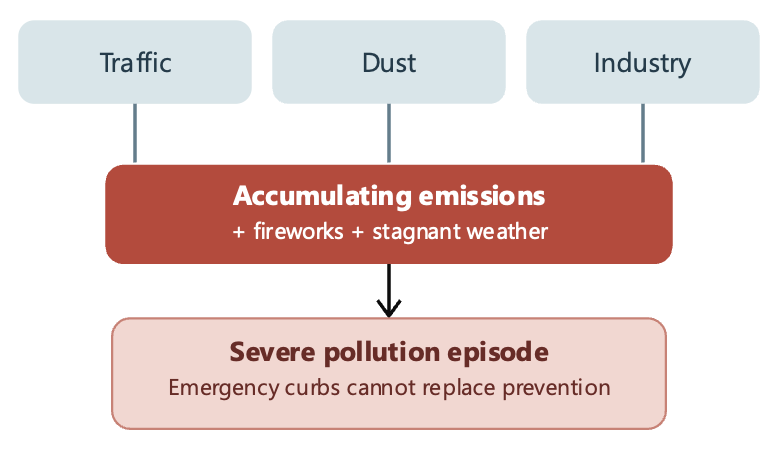
Conceptual flowchart, not a quantitative source-apportionment model.
8. From Seasonal Emergency to Permanent Policy
Delhi requires a shift from managing pollution after it becomes severe to reducing emissions before they accumulate.
Three reforms deserve priority.
First, establish measurable pre-winter emission targets. Government agencies should publish source-specific targets for transport, road dust, industry and waste burning, with independent verification of compliance.
Second, treat clean air as essential public-health infrastructure. Schools, government hospitals and high-exposure workplaces need clear protection protocols, cleaner indoor spaces and timely health advisories.
Third, create an accountable NCR-wide response. Air pollution crosses administrative boundaries. Delhi, Haryana, Uttar Pradesh, Punjab and Rajasthan need coordinated action, transparent data and clearly assigned responsibilities.
The success of these reforms should be measured through sustained reductions in pollutant concentrations and population exposure—not merely the number of restrictions announced.
9. The COSMINNOX Verdict
Delhi does not need to choose between celebrating its festivals and protecting public health. It needs a governance system capable of ensuring that one does not come at the expense of the other.
Firecrackers may intensify a pollution episode, but Delhi's air-quality crisis is sustained by emissions and conditions that exist long before and after Deepavali.
The immediate responsibility is to protect vulnerable people and reduce exposure. The longer-term responsibility is to make the next winter less dangerous than this one.
The real test of environmental governance is not how quickly restrictions are announced when AQI crosses 400, but how effectively policies prevent it from reaching that level in the first place.
10. How Residents Can Protect Themselves
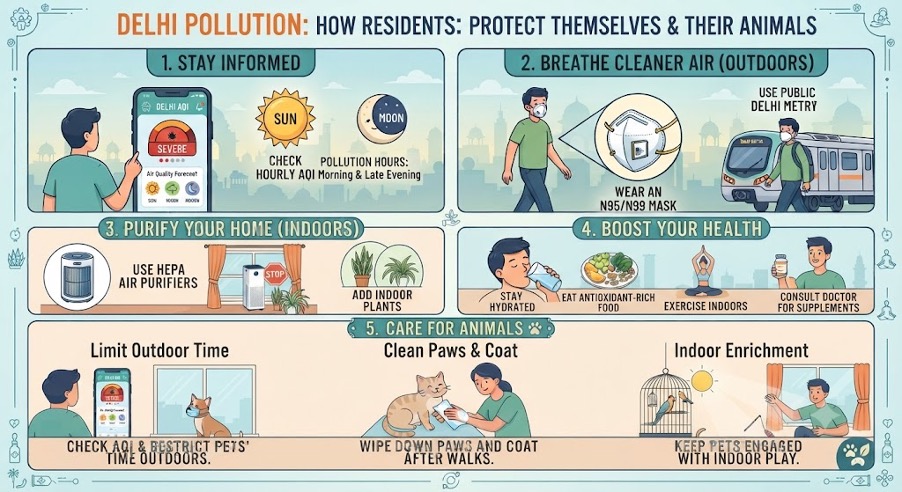
Use effective respiratory protection
When outdoor exposure is unavoidable, wear a properly fitted N95, FFP2 or equivalent particulate respirator. Ordinary cloth masks provide substantially less protection against fine particles.
Reduce indoor pollution
Keep windows closed during severe outdoor pollution episodes, use a correctly sized HEPA air purifier where available, and avoid incense, smoking, indoor fireworks and unnecessary combustion. Ventilate when outdoor air improves.
Change outdoor routines
Check local AQI readings, postpone outdoor exercise and strenuous activities, and reduce unnecessary travel. Avoid assuming early morning air is cleaner.
Protect high-risk family members
Follow prescribed asthma or cardiac treatment plans. Seek urgent medical attention for severe breathlessness, chest pain, confusion or persistent low oxygen readings. Do not rely on home remedies to neutralize inhaled pollution.
Care for animals
Keep pets indoors during severe smoke and fireworks, provide a quiet space, limit outdoor activity and contact a veterinarian if breathing difficulty, injury or unusual distress occurs. Provide safe shelter and water for community animals.
Conclusion: Beyond the Smoke
Delhi’s post-Diwali pollution crisis is not merely the aftermath of a festival but a reminder of the city’s persistent environmental challenges. While fireworks intensify the problem, unchecked emissions, weak enforcement and seasonal weather conditions continue to threaten public health, wildlife and everyday life. Stronger government action, year-round pollution control and greater public awareness are essential. Meanwhile, residents must take precautions to protect themselves, particularly children, older adults and those with respiratory illnesses.