THE QUESTION
Is India's disproportionately high ovarian cancer mortality a function of the disease's biology, or of where and how the health system intercepts it? Across demographic, diagnostic, treatment and outcomes data, the evidence points to a health-system explanation layered on top of a genuinely hard-to-detect cancer — and the two require different policy responses.
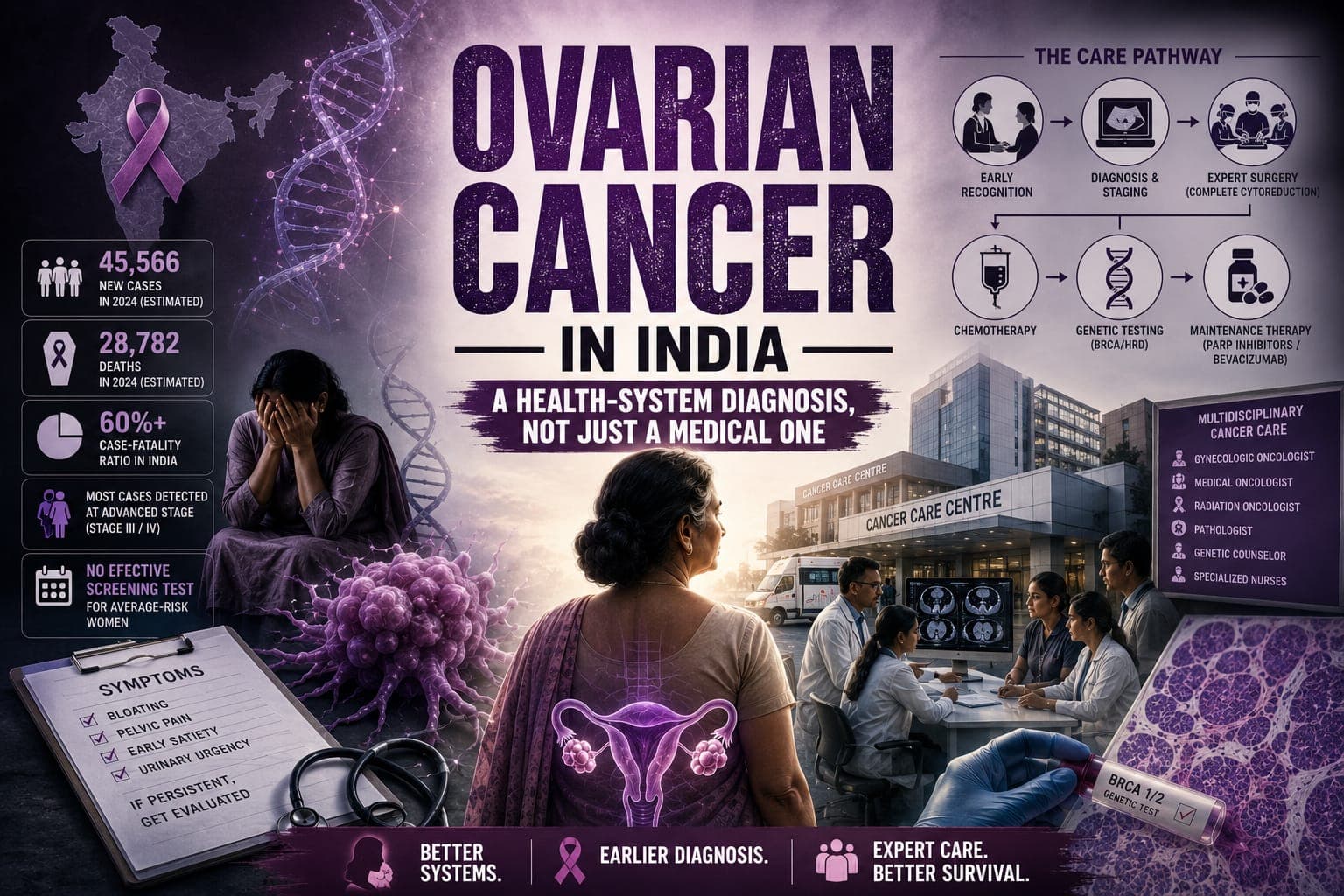
India recorded an estimated 45,566 new ovarian cancer cases and 28,782 deaths in 2024 — a case-fatality ratio above 60%, and the fourth-highest cancer incidence among Indian women, after breast, cervical and lip-oral cavity cancers [1]. These are modelled national estimates built partly from subnational registry data rather than complete case enumeration — a limitation that recurs through almost every number cited on this disease.
THE HEADLINE NUMBER 60%+ India's estimated ovarian cancer case-fatality ratio in 2024 — among the highest of any major cancer tracked nationally. [1] |
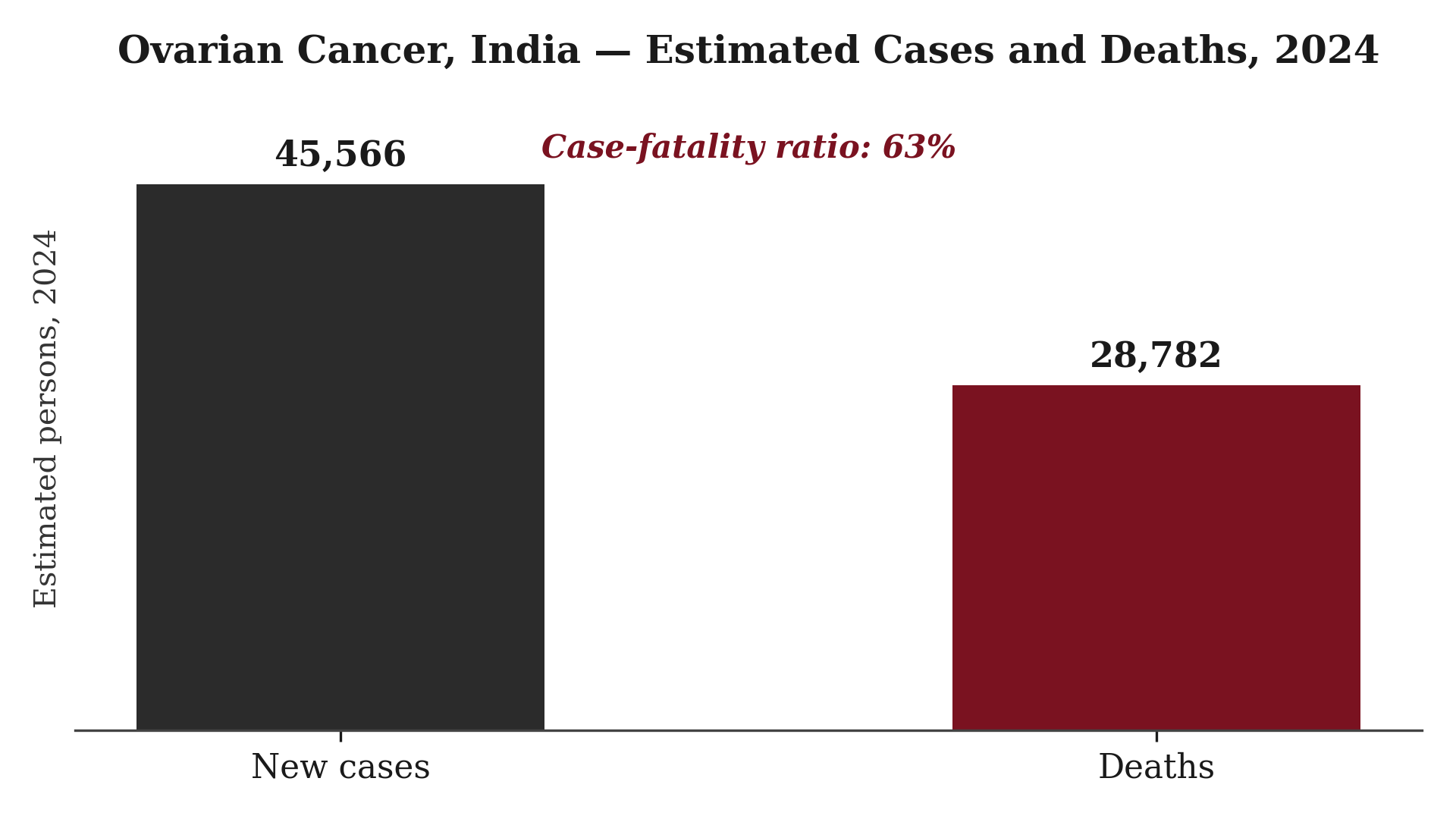
Fig. 1 — Estimated new cases and deaths, India, 2024. [1]
WHO GETS IT, AND WHERE
Indian hospital- and registry-based series report a median age at diagnosis of roughly 50–52 years — younger than many Western cohorts — with incidence peaking between 50 and 69 years [2]. A central-India registry study found an age-standardised incidence of about 4.61 per 100,000 women, concentrated in the 41–50 bracket [3]; this varies meaningfully by region and should not be read as a national figure. Patients in public tertiary centres are disproportionately rural, semi-urban and lower-income — not because the disease targets poverty, but because socioeconomic disadvantage compounds diagnostic delay and worsens outcomes once it is present.
WHAT KIND OF DISEASE IS BEING COUNTED
Ovarian cancer spans epithelial, fallopian-tube and primary peritoneal carcinomas; germ-cell and sex-cord stromal tumours; and borderline tumours. Epithelial cancers dominate adult case volume, and high-grade serous carcinoma — now understood to often originate in the fallopian tube rather than the ovary itself — is usually the majority subtype at advanced stage [4]. A defined subset carries BRCA1/BRCA2 or broader homologous-recombination defects, which increasingly determine maintenance-therapy eligibility and prognosis — making genetic-testing access a direct treatment variable, not a research footnote.
RISK FACTORS, AND WHY THE DISEASE EVADES EARLY CAPTURE
Risk rises with age, BRCA1/BRCA2 or Lynch syndrome status, family history, nulliparity, endometriosis and obesity; pregnancy, breastfeeding, oral contraceptives and tubal ligation are each associated with lower risk at a population level [5]. Critically, there is no validated population-wide screening test — neither CA-125 nor transvaginal ultrasound is recommended as a stand-alone screening tool for average-risk women [6], and CA-125 itself lacks diagnostic specificity, rising in several benign conditions. Early symptoms (bloating, pelvic pain, early satiety, urinary urgency) mimic gastrointestinal and menopausal complaints; the distinguishing signal is persistence over weeks, which is exactly what gets dismissed at a first primary-care visit. Indian tertiary-centre reports consistently put 70–80% of epithelial ovarian cancers at FIGO stage III or IV by the time of diagnosis [7].
STAGE AT DIAGNOSIS 70–80% Share of epithelial ovarian cancers presenting at FIGO stage III or IV in Indian tertiary-centre case series. [7] |
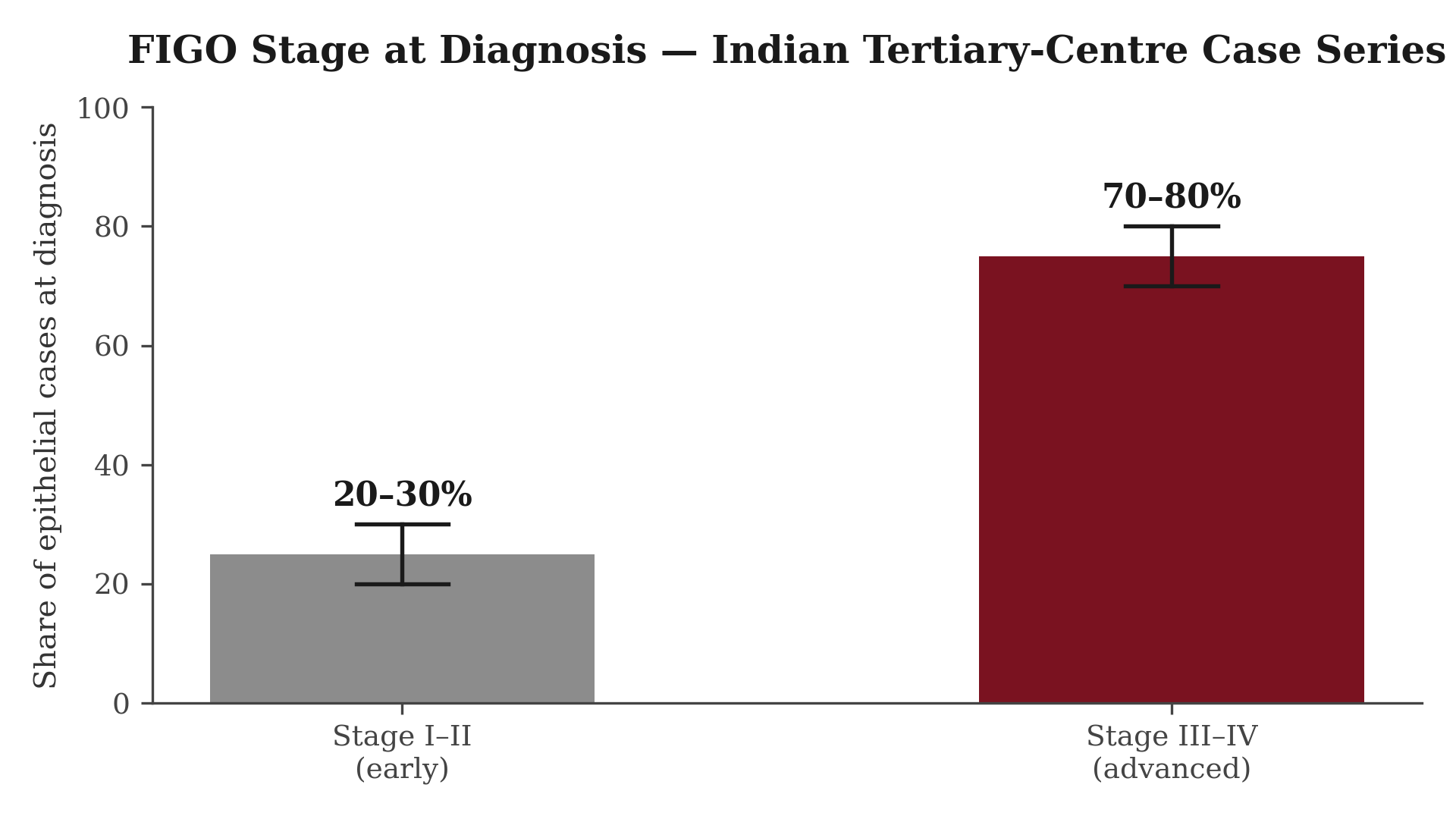
Fig. 2 — FIGO stage distribution at diagnosis, Indian tertiary-centre case series. [7]
THE TREATMENT ARCHITECTURE, AND WHERE IT STRAINS IN INDIA
Guideline-concordant care runs through a multidisciplinary team, and the ICMR maintains a national consensus document for ovarian cancer management, though uptake varies by institution [8]. For advanced disease, the surgical goal is maximal cytoreduction with no visible residual tumour — one of the strongest modifiable predictors of survival — via either primary surgery or neoadjuvant chemotherapy with interval surgery, chosen on resectability and fitness rather than stage alone. First-line therapy remains platinum-taxane chemotherapy, with bevacizumab for selected patients. Maintenance therapy — PARP inhibitors or bevacizumab — has extended progression-free survival internationally, but access in India is gated by BRCA/HRD testing availability, drug cost and insurance coverage, unevenly distributed across centres [9].
COUNTER-EVIDENCE: WHAT AWARENESS OR SCREENING ALONE WOULD NOT FIX
The international evidence does not support earlier detection as a complete answer. Randomised screening trials have not shown a mortality benefit from population-level CA-125 or ultrasound screening even in far better-resourced systems [10] — high-grade serous carcinoma's likely tubal origin means it evades early detection almost everywhere. Separately, the stage-specific survival figures widely cited in Indian literature (roughly 85/65/30/15% for stages I–IV) derive from older, heterogeneous international datasets predating modern surgical and molecular practice, and should be read as historical approximations, not a current Indian survival table [11]. And while ovarian cancer stem-cell markers (ALDH, CD44, CD133) are an active research area, none are standardised for clinical use, and stem-cell transplantation is not an established treatment outside formal trials [12].
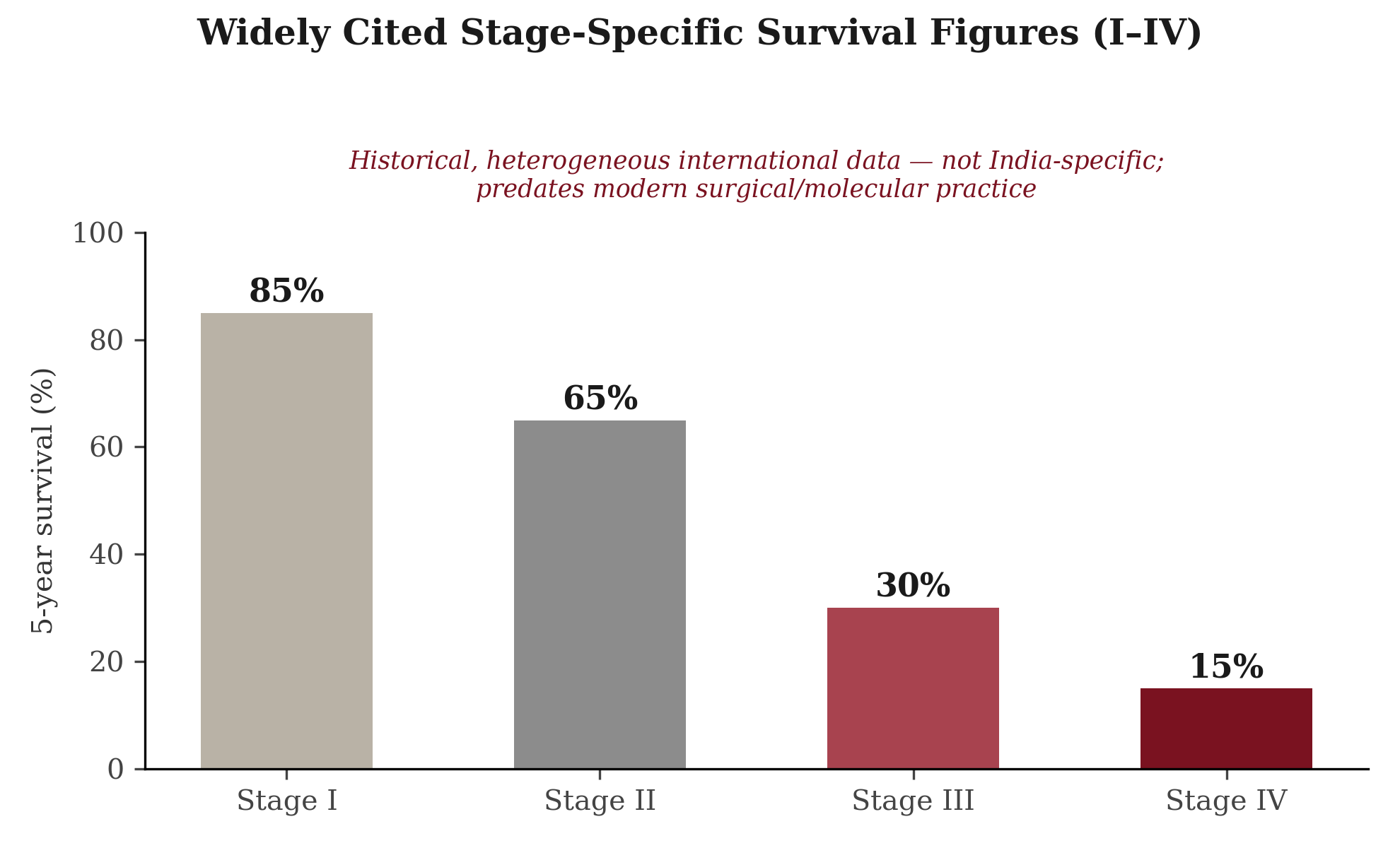
Fig. 3 — Widely cited stage-specific survival figures; historical, non-India-specific data. [11]
WHAT'S ADDRESSABLE, AND WHAT INDIA SHOULD PRIORITISE
Set against that international ceiling, several India-specific barriers remain squarely within policy reach: low awareness of persistent symptoms, limited access to gynaecologic oncologists, non-specialist or incomplete initial surgery, uneven maintenance-therapy access, and a shortage of prospective national survival data. Of these, the quality of the first operation is the highest-leverage lever — incomplete cytoreduction by a non-specialist team leaves every subsequent treatment cycle at a disadvantage a second surgery rarely reverses. Referral to a specialist centre before the first operation is therefore a more actionable target than population screening. National priorities should include stage- and histology-specific survival registries, affordable genomic testing, validated referral algorithms, and cost-effectiveness data on maintenance therapy in the Indian pricing context.
WHAT THIS EVIDENCE DOES AND DOESN'T ESTABLISH
The evidence supports a bounded claim: India's ovarian cancer mortality is disproportionately driven by late-stage presentation and variable surgical quality — not by any unique aggressiveness of the disease itself. It does not establish that a national screening programme would close the gap; that benefit has not been shown even in far better-resourced systems. What it does support is that faster referral to specialist teams before the first operation, and wider access to genetic testing and maintenance therapy, would shift outcomes at the margin — without waiting for a screening breakthrough that does not yet exist anywhere.
The open question — one India's registries cannot yet answer precisely — is how much of the widely cited 15–30% long-term survival figure for advanced disease is itself being pulled up or down by this unevenness in specialist access. Better national data, not better slogans, will have to settle it.
NOTES & SOURCES
Global Cancer Observatory (GLOBOCAN), India Factsheet, 2024: Tier 1 — Primary international and national cancer incidence and mortality estimates.
Hospital- and Registry-Based Case Series (India): Tier 2 — Secondary clinical literature. Statistics should be verified against the corresponding registry publication before print.
Population-Based Cancer Registry (Central India): Tier 2 — Regional epidemiological data. Findings are derived from a single-region registry and are not nationally representative.
Contemporary Gynaecologic Pathology Literature: Tier 2 — Peer-reviewed evidence supporting the fallopian-tube origin of high-grade serous ovarian carcinoma.
Established Gynaecologic Oncology Risk-Factor Literature: Tier 2 — Consolidated clinical evidence covering hereditary, reproductive and lifestyle-related risk factors.
Clinical Oncology Screening Guidelines: Tier 1/2 — Professional body guidance confirming the absence of a validated population-wide screening programme using CA-125 or transvaginal ultrasound.
Indian Tertiary-Centre Oncology Case Series: Tier 2 — Institutional clinical evidence reporting stage distribution at diagnosis; institutional case-mix limitations apply.
Indian Council of Medical Research (ICMR), National Consensus Document on Ovarian Cancer Management: Tier 1 — Government-issued clinical practice guidance.
Indian Oncology Practice & Health-Economics Literature: Tier 3 — Practice-pattern observations on access to genomic testing, maintenance therapy and treatment affordability. Individual claims should be attributed to named studies before publication.
International Randomised Screening Trials: Tier 1/2 — Peer-reviewed trial evidence evaluating population-level CA-125 and transvaginal ultrasound screening.
Historical Stage-Specific Survival Literature: Tier 2 — Frequently cited international survival estimates. These figures predate many advances in modern surgical and molecular oncology and are not India-specific.
Experimental Cancer Stem-Cell Research: Tier 2 — Pre-clinical and experimental literature on ALDH, CD44, CD133, EpCAM, and Wnt/Notch/Hedgehog signalling. These biomarkers are not clinically validated for routine patient care.
Editor's note: bracketed source descriptions above are category-level placeholders reflecting the tier of evidence (per COSMINNOX sourcing discipline). Before publication, each should be replaced with the specific document, registry name, journal citation or named institutional source, with a working link for digital publication or a full endnote for print.