A river does not recognise political boundaries, but the decisions made about its waters can reshape relationships between countries, governments and communities.
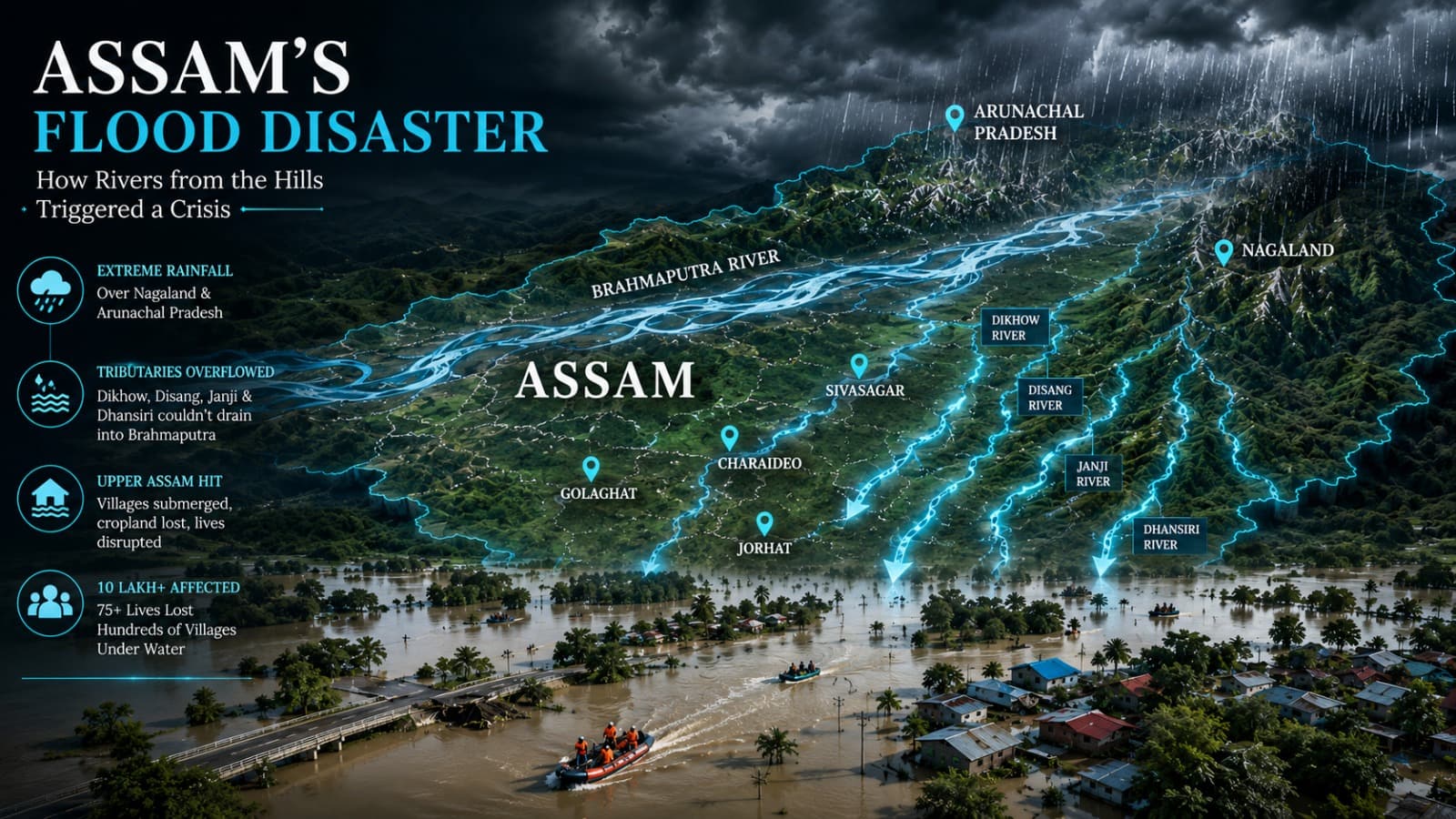
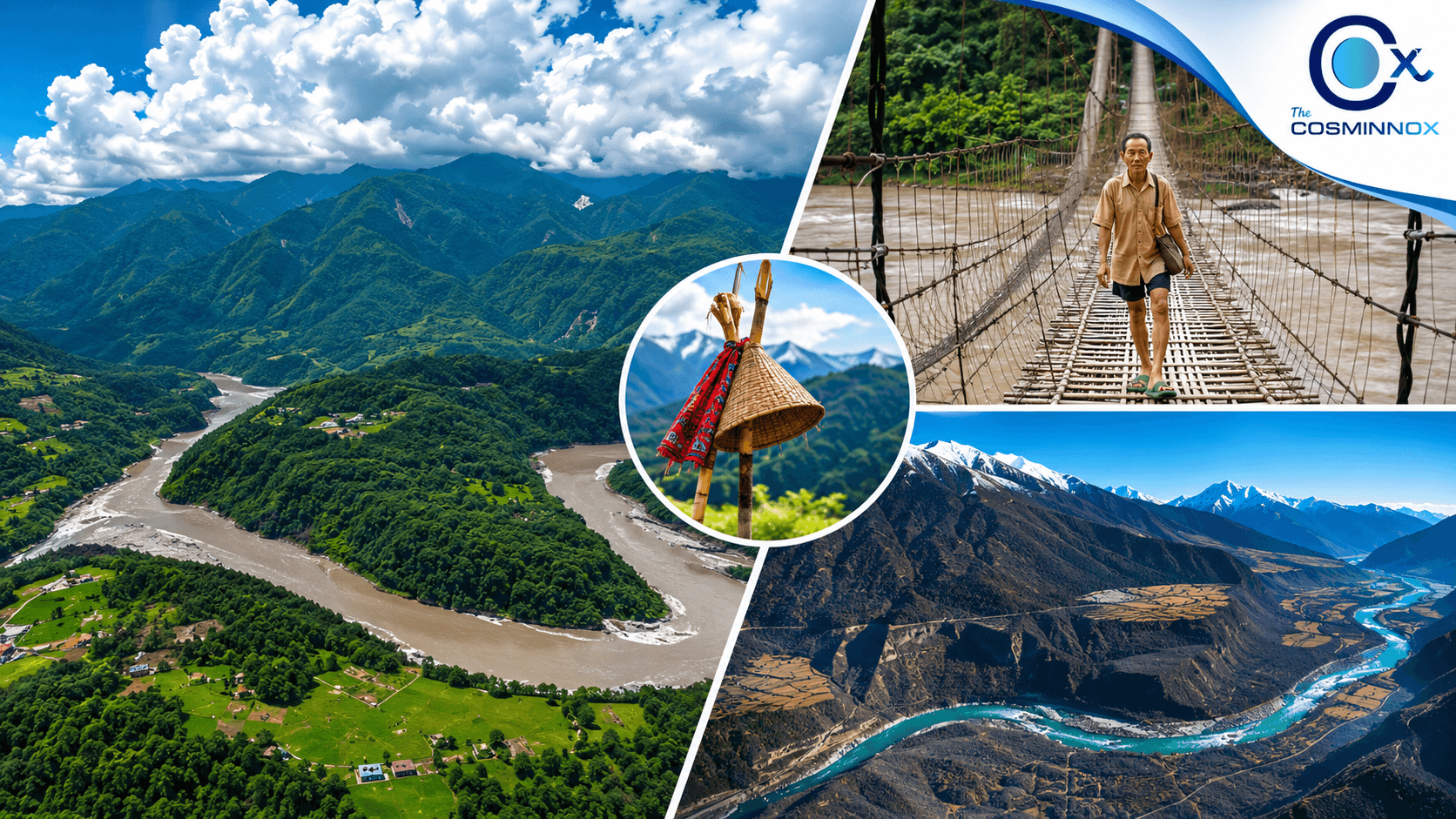
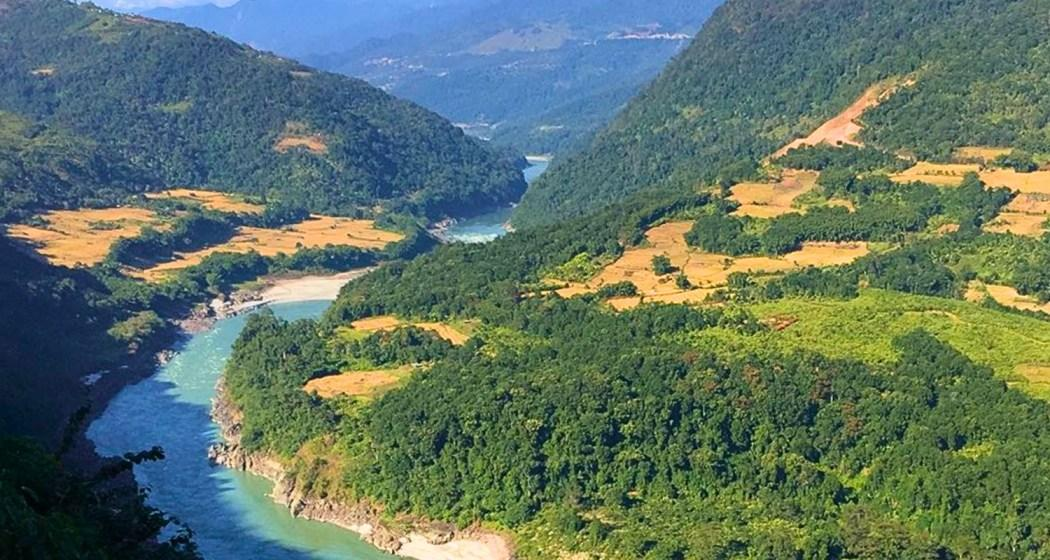
High in the Tibetan Plateau, the Yarlung Tsangpo begins its journey through one of the world's most strategically sensitive mountain regions. Entering India's Arunachal Pradesh, it becomes the Siang, eventually joining other rivers to form the Brahmaputra in Assam.
Today, this river is at the centre of two very different concerns. For India, upstream Chinese hydropower development raises questions about future water security and strategic preparedness. For communities living along the Siang, India's proposed large dam raises equally consequential questions about land, forests, displacement, cultural heritage and the safety of future generations.
Both concerns deserve scrutiny. Neither should automatically invalidate the other.
The real policy challenge is whether national security, local rights and ecological stability can be addressed together, rather than treated as competing priorities.
1. Understanding the river: One water system, two national interests
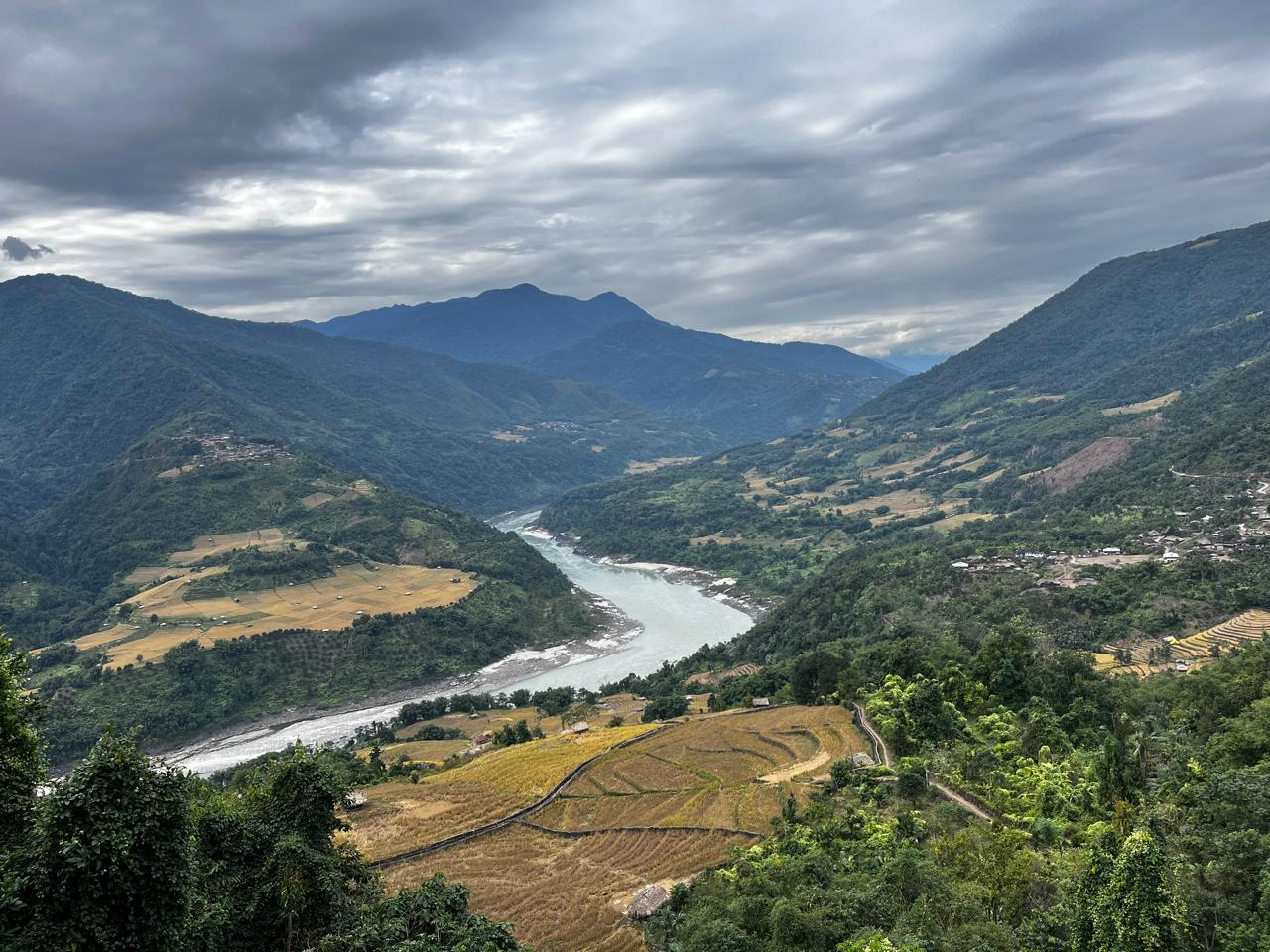
The Siang River is not simply a geographical feature. It connects the Tibetan Plateau, India's northeastern frontier and the densely populated Brahmaputra basin.
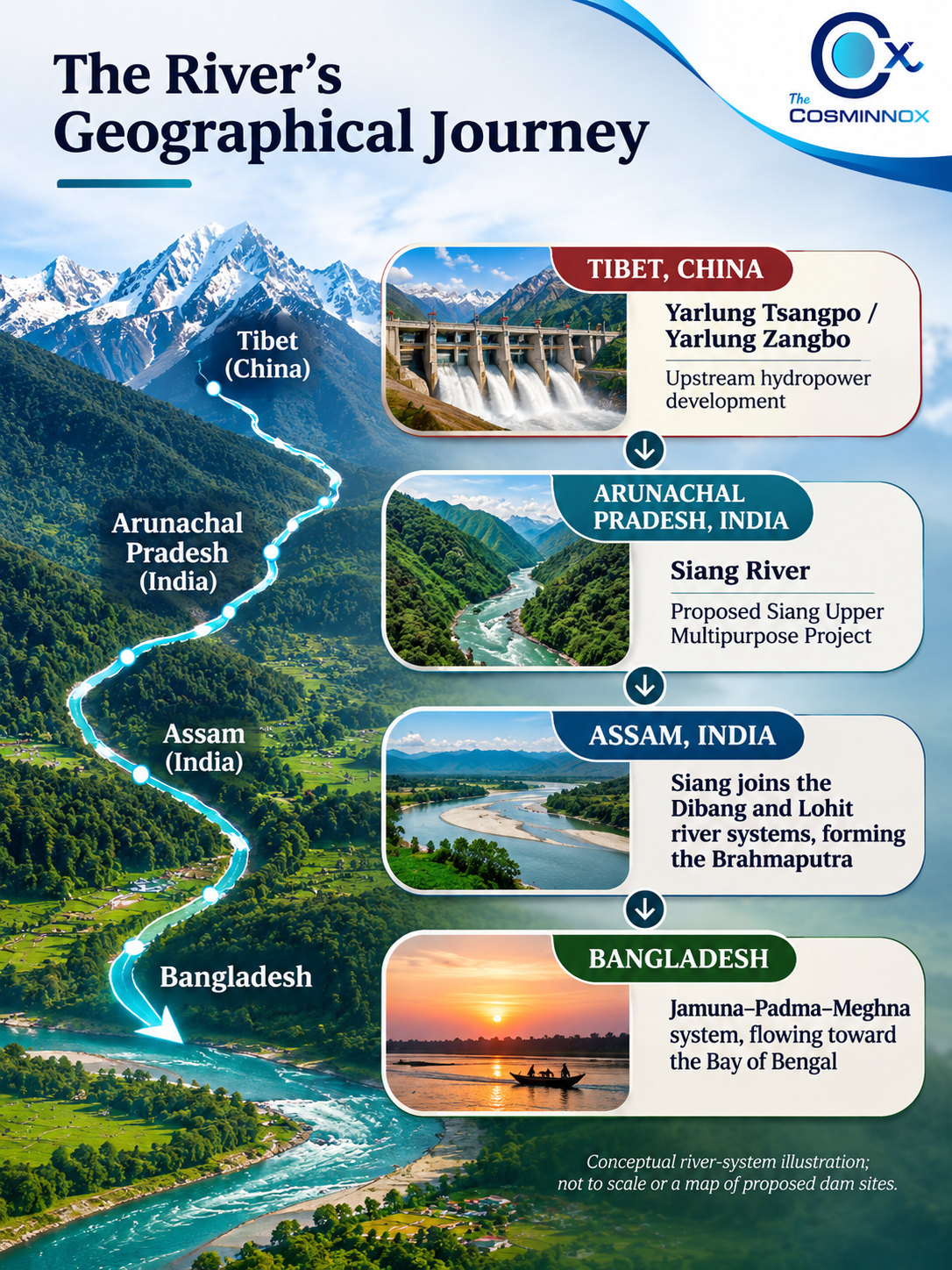
The river's transboundary character makes water governance particularly complicated. Upstream decisions can influence downstream flood risk, sediment transport, river ecology and seasonal flows. However, the magnitude of those effects depends on actual reservoir operations, tributary contributions and rainfall.
China's interest: Hydropower, infrastructure and strategic influence
China's hydropower ambitions on the lower Yarlung Tsangpo have attracted international attention because of the river's enormous elevation drop near the eastern Himalayas.
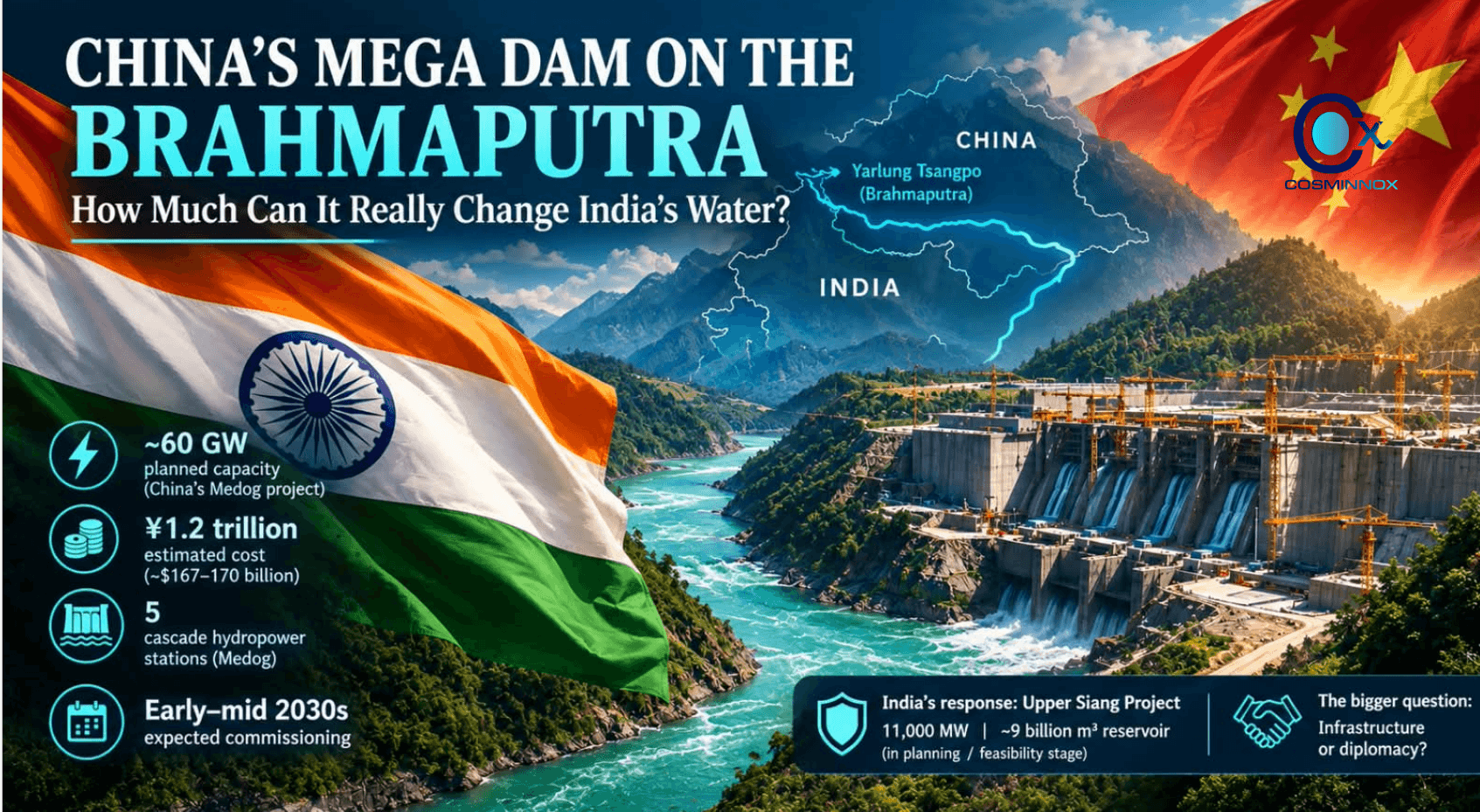
Beijing approved a major hydropower development in December 2024. The project is commonly described as a five-station cascade with a proposed generating capacity of approximately 60,000 MW.
China's stated rationale includes clean electricity generation and economic development. For India, however, the development raises several questions:
Could upstream infrastructure alter the timing of water releases?
Would downstream authorities receive sufficient advance warning of unusual flows?
How might sediment movement, aquatic ecosystems and flood patterns change?
What safeguards would exist during an earthquake, extreme rainfall event or infrastructure emergency?
These concerns are legitimate subjects for risk assessment. They do not establish that China intends to deliberately interrupt water supplies.
India's interest: Electricity, storage and strategic preparedness
India's proposed response is the Siang Upper Multipurpose Project (SUMP), an approximately 11,200-MW hydropower and water-storage proposal in Arunachal Pradesh.
The project has a history extending well before China's latest announcement. Earlier Indian proposals emphasised hydropower and flood management; the argument for strategic water security has since gained prominence.
The Indian government's case rests on the possibility that domestic storage could help manage downstream water availability, moderate some flood risks and generate substantial electricity.
But a large reservoir is not an automatic defence against every upstream threat. Its effectiveness depends on usable storage, available capacity when a flood arrives, operating rules, geological safety and the nature of the upstream event.
Chart 1 | Proposed hydropower capacity
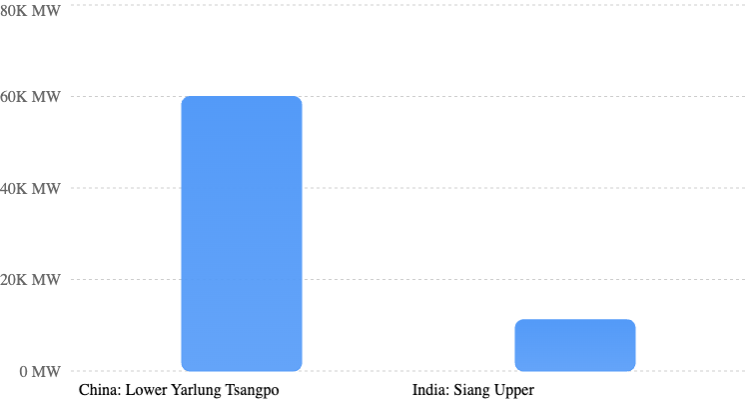
Proposed installed capacities, not actual electricity generation or water-storage volume.
China's figure is a reported aggregate proposal; India's is the SUMP proposal. Capacities are not directly comparable as measures of flood control, water security or annual generation.
The disparity in generating capacity is striking, but the figures should not be mistaken for evidence of relative control over river water. Installed megawatts measure generating equipment, not how much water a reservoir can store or release.
The policy question is therefore not simply whether India can build a large dam, but whether this particular project would measurably reduce the risks that justify its construction.
2. Why the Siang communities are protesting
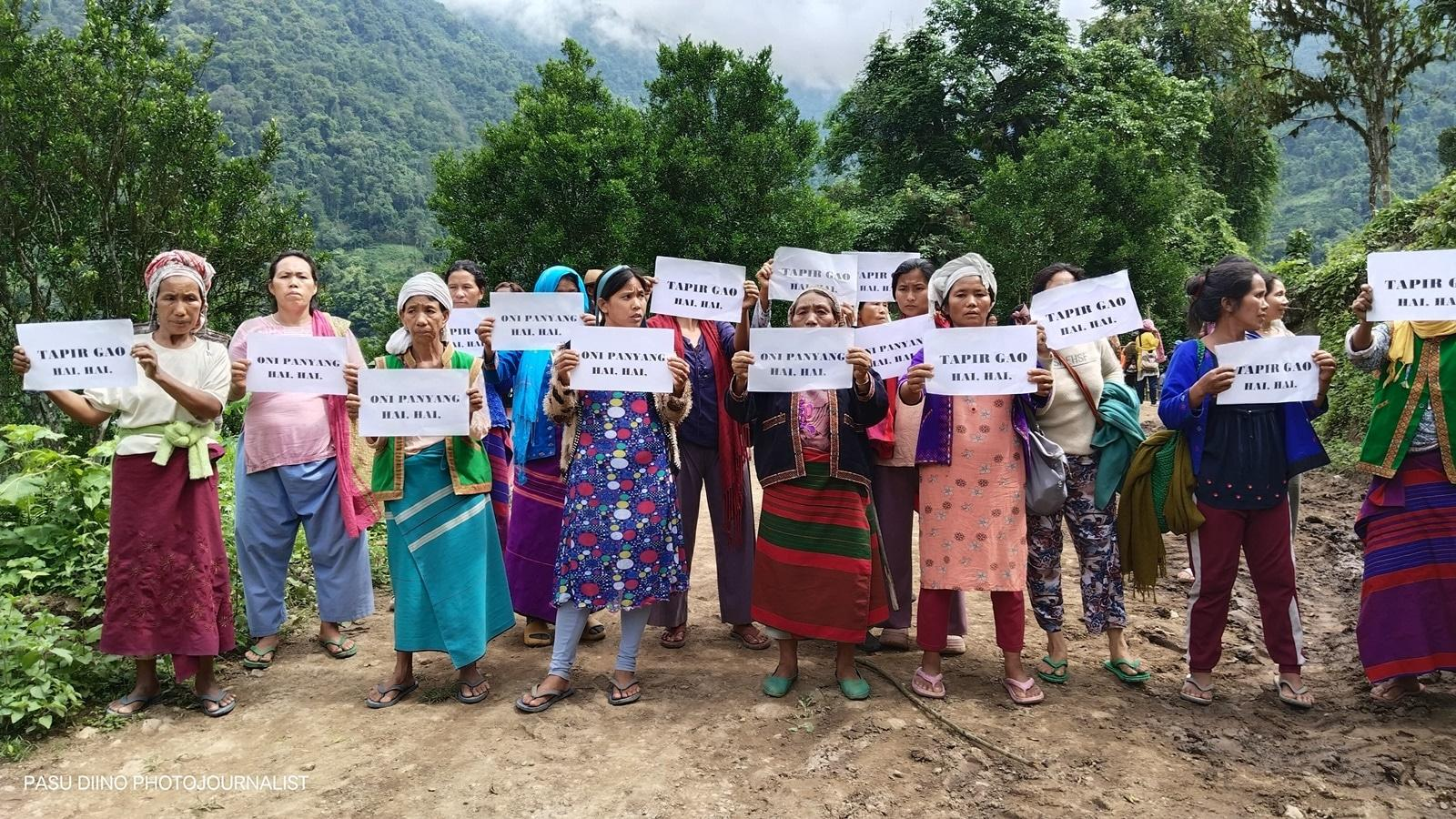
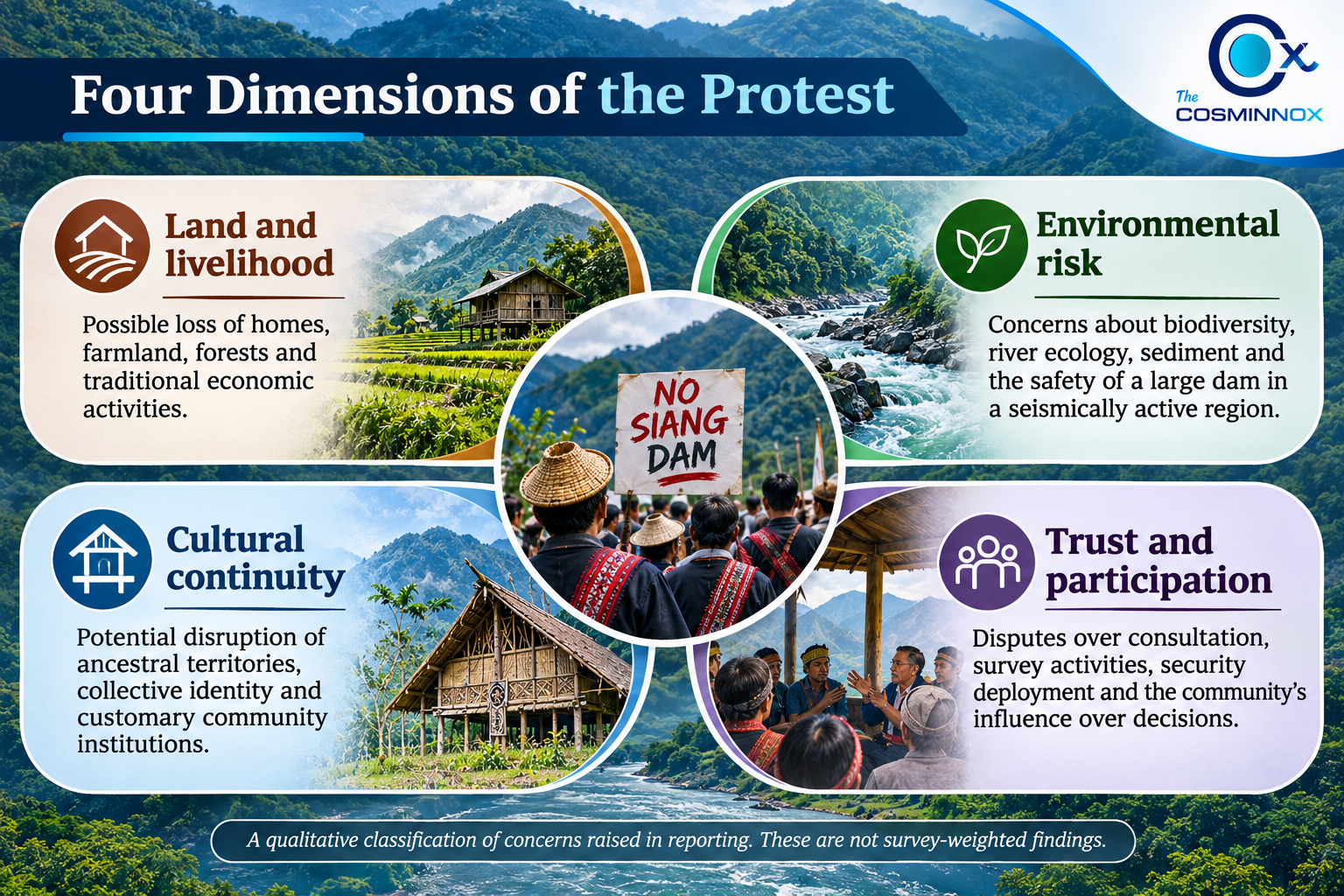
For many residents of the Siang Valley, the river is more than a resource to be managed. It is connected to ancestral land, agriculture, settlement patterns, collective memory and cultural identity.
Sections of the indigenous Adi community, alongside other local organisations, have resisted the project because of its possible consequences for their lives and their relationship with the landscape.
The human cost: What might be lost?
Protest representatives have estimated that 27 villages could face complete submergence, with another 40–50 affected in other ways. These are reported community estimates, not a final verified displacement inventory from a completed project assessment.
The impact of displacement cannot be calculated solely through the market price of land.
A household may receive financial compensation and still lose access to customary farmland, community forests, fishing areas, traditional institutions or sacred places. Resettlement can also weaken social networks that have developed over generations.
This is why compensation and consent are not interchangeable.
How a technical survey became a political confrontation
The immediate dispute concerns pre-feasibility investigations.
The government maintains that these surveys are intended to determine whether a project is technically viable, not to approve its construction. Villagers opposing the exercise fear that once drilling and survey work begin, the project will acquire momentum before their objections have been adequately addressed.
Three potential locations have been identified for investigation: Parong, Dite Dime and Ugeng/Komkar. Core drilling has reportedly been obstructed by local opposition.
The conflict intensified in October 2026. Reports documented detentions, protests, property damage, clashes with police and additional security deployments. Mobile internet restrictions were also reported during the November agitation.
Violence and destruction of public property cannot be justified as ordinary democratic disagreement. Equally, peaceful opposition, demands for information and questions about consent should not be dismissed merely because a project is described as strategically important.
On 2 November, Chief Minister Pema Khandu assured residents that the project remained at the pre-feasibility stage and that no construction decision would be taken without detailed public consultation and consent.
3. The real policy dilemma: Who gains, who bears the risk?
Large infrastructure projects often promise benefits that extend far beyond their immediate location. Electricity may serve distant cities, water management may benefit downstream populations, and strategic infrastructure may contribute to national security.
However, the greatest social and ecological costs can remain concentrated in the communities closest to the project.
This creates an uneven distribution of benefits and burdens.
Chart 2 | The competing priorities
Stakeholder | Primary interests | Principal concerns |
Union and state governments | Water security, power, flood management | Strategic exposure and project viability |
Local communities | Land, identity, livelihoods, participation | Displacement and irreversible losses |
Downstream populations | Reliable flows, flood protection, healthy river | Unexpected releases and ecological change |
Environmental and scientific institutions | Ecological integrity and safety | Seismic, sediment and cumulative impacts |
Qualitative policy matrix prepared by The COSMINNOX; interests are illustrative, not the result of stakeholder polling.
Neither national security nor indigenous rights can be assessed responsibly in isolation.
A project that generates substantial electricity but exposes communities to inadequately understood risks cannot be evaluated by megawatts alone. Conversely, a decision not to construct a dam should also be examined for its implications for downstream flood preparedness, energy planning and water security.
The relevant measure is not which side wins the argument. It is which policy option produces the strongest defensible outcome when all material consequences are considered.
4. Finding common ground: Is there a workable middle path?
A compromise should not begin with the assumption that the dam must be built. Nor should it assume that abandoning the proposal automatically resolves every national water-security concern.
The middle path should be a credible decision-making process, with genuine options, independent evidence and enforceable conditions.
The following five-stage framework is proposed for policy consideration by The COSMINNOX.
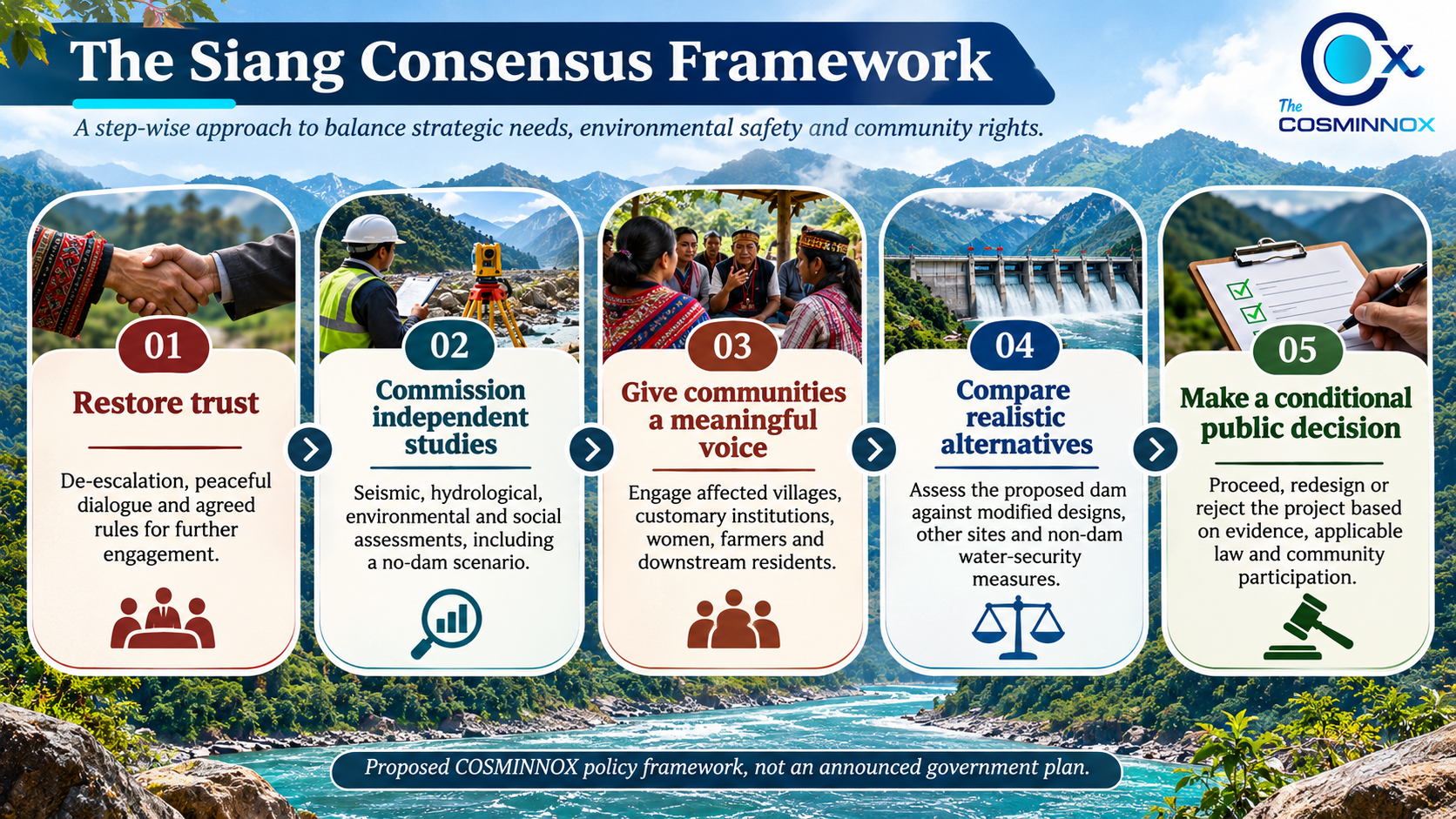
First: Restore confidence before pursuing further surveys
The government and community representatives could agree on a time-bound de-escalation process.
This could include an independent review of disputed survey practices, transparent information about the proposed sites and clearly defined conditions for future engagement. Any review of arrests should follow due process, without excusing violence.
The government should also publicly clarify which decisions remain open, what a pre-feasibility study can authorise, and what legal requirements apply before construction.
For community representatives, the process must allow genuine objections to be recorded and independently examined. A meeting should not be treated as proof of consent.
Second: Let independent science establish the risks
Before a construction decision, the project requires rigorous investigation into:
Seismic safety: How would the dam, reservoir and surrounding slopes behave under plausible earthquake scenarios?
Flood management: How much usable storage would actually be available during extreme rainfall or upstream releases?
Environmental impacts: What changes might occur to sediment transport, fisheries, forests and downstream river systems?
Social consequences: Which households, customary lands, cultural sites and livelihoods would be affected?
Alternatives: Could a smaller project, different design or non-dam approach provide sufficient benefits at lower risk?
The studies should be publicly accessible and subject to external scientific review. Their findings should be open to challenge, rather than used solely to justify a predetermined outcome.
Third: Make participation consequential
A consultation process is meaningful only if it can influence the final decision.
The government should work with legally recognised local institutions and affected communities to establish a transparent representation process. This should include traditional village councils, women, farmers, younger residents and potentially affected downstream communities.
Applicable environmental, forest, land and indigenous-rights safeguards must be examined specifically. Consultation should not be confused with satisfying every legal consent requirement.
A community benefit agreement could be considered if a project eventually receives the necessary approvals. Such an agreement might include long-term livelihood restoration, locally governed development funds, independent grievance mechanisms and transparent monitoring.
But these measures should not be presented as a substitute for consent where consent is legally required, or as an adequate response to impacts that cannot realistically be remedied.
Fourth: Compare three policy options, not just one
Chart 3 | The three possible pathways
Policy option | Potential advantage | Principal limitation |
A. Proceed with the proposed dam | Potential electricity and water-storage benefits | Major social, ecological and safety questions must be resolved |
B. Redesign or relocate | Potentially reduces some impacts while retaining infrastructure benefits | Technical feasibility and remaining risks are uncertain |
C. Do not construct; pursue alternatives | Avoids project-specific displacement and reservoir impacts | Requires credible alternative arrangements for strategic water and energy needs |
Policy comparison. No option is ranked because a verified, like-for-like cost-benefit and risk assessment is not yet available.
Alternatives could include improved upstream hydrological monitoring, cross-border data-sharing arrangements, flood forecasting, distributed energy investments, demand management and other storage options where technically appropriate.
None should be assumed equivalent to a large reservoir without analysis.
The comparison must consider the entire river basin rather than only the immediate project site.
Fifth: Establish a decision rule that both sides can scrutinise
A practical decision framework should require the government to demonstrate measurable public benefits and the acceptability of residual risks.
The COSMINNOX proposed decision test
Is there a demonstrated strategic or public need that cannot be met more effectively through a lower-impact alternative?
Have independent assessments established acceptable seismic, environmental and hydrological risks?
Have all applicable consultation, consent and clearance requirements been satisfied?
Are livelihood restoration, compensation, benefit-sharing and grievance remedies independently enforceable?
Can independent institutions monitor compliance throughout construction and operation?
If these tests cannot be met, redesign or non-construction should remain genuine options.
If they can be met, the government would have a stronger evidence-based justification for its preferred course, although social disagreement may still remain.
5. The larger lesson: National security requires public trust
The Siang controversy reveals a challenge that extends beyond one river or one state.
India's infrastructure ambitions increasingly intersect with environmentally sensitive landscapes and communities whose relationship with land is not fully captured by conventional economic calculations.
In such settings, the language of national interest can explain why a project deserves consideration. It cannot, on its own, establish that every proposed design is necessary, safe or socially legitimate.
Likewise, public resistance may expose weaknesses in consultation and planning, but the existence of protest does not settle complex questions of hydrology, engineering or national preparedness.
The strength of democratic policymaking lies in its ability to examine both.
The government has a responsibility to anticipate external risks. It also has a responsibility to protect citizens from avoidable harm. Communities have a right to demand meaningful participation, transparent evidence and fair treatment.
These responsibilities need not be contradictory, provided the decision-making process is designed to reconcile them.
The COSMINNOX verdict
THE CALL | THE COSMINNOX THINK TANK
A nation's strength should not be measured only by the dams it can build, but also by the trust it can preserve.
The Siang project should not be approved merely because China is building upstream. Nor should its strategic rationale be dismissed without examining the evidence.
The responsible course is to determine whether the proposed dam offers demonstrable advantages over less disruptive alternatives, whether its risks can be credibly managed, and whether affected communities have been given meaningful influence over the outcome.
The proposed middle ground is therefore not a predetermined division of benefits between government and residents. It is a transparent process in which construction, redesign and non-construction remain possible conclusions.
India does not have to choose between protecting its borders and respecting its people. The harder task is to develop policies capable of doing both.
Sources and further reading
The article draws on contemporary reporting, government statements and documented developments. Key references include:
The Indian Express — History, geopolitics and opposition to the Siang project (October 2026).
Reuters — Escalation of the Siang dam protests (27 October 2026).
ThePrint — Ground reporting from project-affected villages (28 October 2026).
Akashvani — Arunachal Pradesh Chief Minister's statement on consultation (3 November 2026).
Ukhrul Times — Community opposition and rejection of negotiations (7 November 2026).