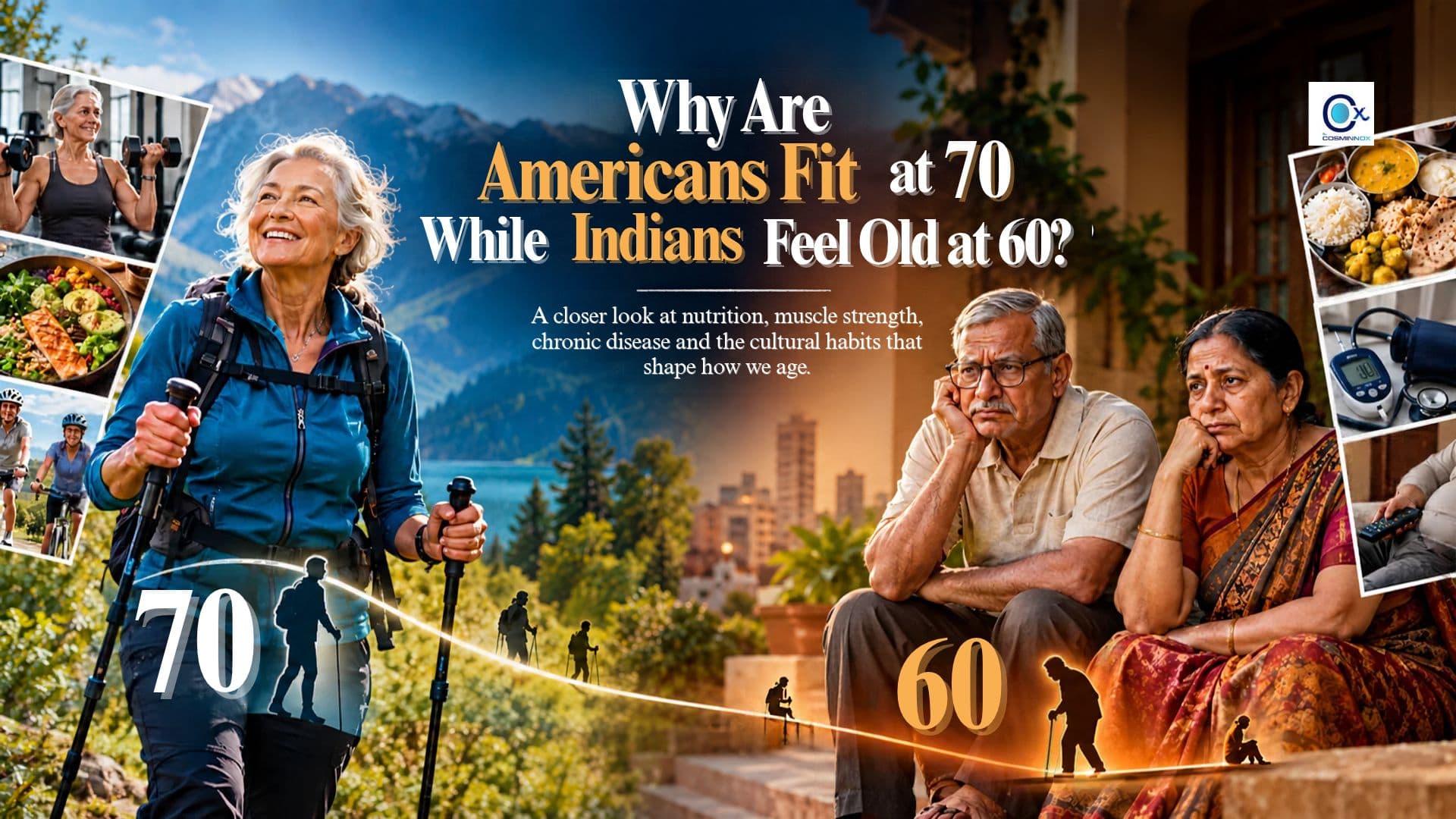
India is adding years to life, but is it adding life to those years? A closer look at nutrition, muscle strength, chronic disease and the cultural habits that shape how we age.
The central question: Why does a 70-year-old in America sometimes appear more physically independent than a 60-year-old in India? Is it genetics, diet, exercise, healthcare, economic privilege, or simply the way societies understand ageing?
The answer is more complicated than nationality. Not all Americans remain fit into their seventies, and not all Indians become frail at sixty. Both countries have enormous differences in income, health, geography and access to care. Yet the comparison raises an important public-health question: Are Indians preparing to live longer without preparing to live stronger?
This article examines six interconnected factors behind India's healthy-ageing challenge and proposes a practical shift from treating illness to preserving independence.
1. Living longer is not the same as living healthier
For decades, rising life expectancy has been celebrated as evidence of medical and social progress. India has made substantial gains through improvements in vaccination, sanitation, maternal healthcare, infectious-disease control and medical treatment.
But life expectancy tells us how long people are expected to live, not how many of those years they can enjoy in good health.
This distinction introduces two important measurements:
Lifespan (life expectancy): The expected number of years a person will live, based on prevailing mortality patterns.
Healthspan: The period lived in good health, with physical and cognitive abilities that support everyday independence.
Researchers frequently use Healthy Life Expectancy (HALE) to quantify the years expected to be lived in full health, adjusting for time spent with illness or disability.
The distinction matters because a person may survive into their seventies while spending years managing diabetes, heart disease, chronic pain or reduced mobility.
India's lifespan and healthy-life gap
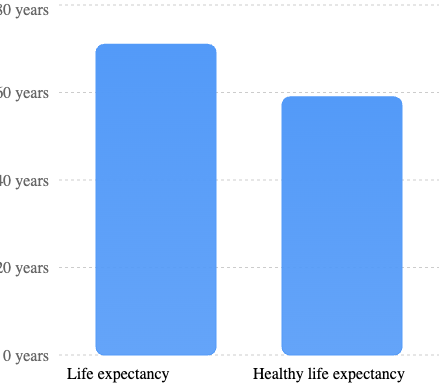
Approximate illustrative comparison using different reporting years; not a same-year statistical estimate.
Illustrative figures based on the approximate ranges in the article brief. HALE is not the exact age at which illness or disability begins.
A life expectancy of approximately 71–72 years and a healthy life expectancy around 58–60 years suggest a substantial burden of illness and disability across the population.
However, it would be incorrect to conclude that every Indian becomes unhealthy at 59 or spends exactly 12 years bedridden. HALE is a population-level measure that accounts for the severity and duration of different health conditions.
It is equally important to recognise that the United States has its own healthspan problem. Obesity, diabetes, heart disease, chronic pain and socioeconomic inequality affect millions of older Americans. The advantage observed among some physically active American seniors is not representative of every American.
The real issue is not whether Indians can reach 80. It is whether more Indians can reach 80 while remaining capable of walking independently, climbing stairs, carrying groceries and participating fully in family and community life.
2. The Indian plate: Filling the stomach, but feeding the muscles?
India's food culture is extraordinarily diverse. Yet many everyday meals, especially those centred on polished rice, refined flour, potatoes, sweets and fried snacks, can become carbohydrate-heavy and relatively low in protein.
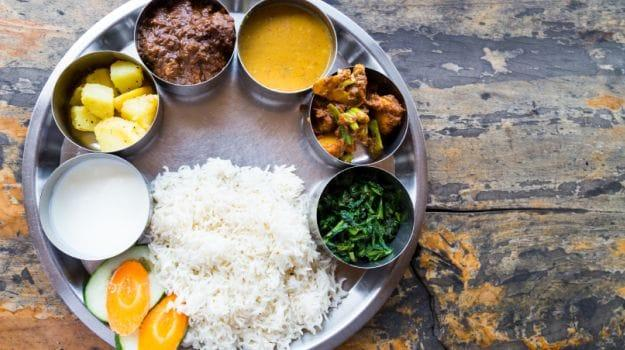
Consider a common routine: bread or paratha for breakfast, rice with a small portion of dal for lunch, biscuits with tea in the evening and roti with potato-based vegetables for dinner.
Such meals may provide adequate energy but insufficient protein, depending on portions and the rest of the diet.
This becomes increasingly important with age.
Muscle is not simply a cosmetic feature. It helps regulate blood glucose, stabilise joints, protect against falls, support metabolism and maintain the strength required for independent living.
From early adulthood onward, muscle mass and strength can gradually decline, especially when people remain inactive. This process can eventually contribute to sarcopenia, the age-related loss of skeletal muscle mass and function.
A person who has spent decades eating insufficient protein while avoiding strength-building activity may enter older age with less physical reserve.
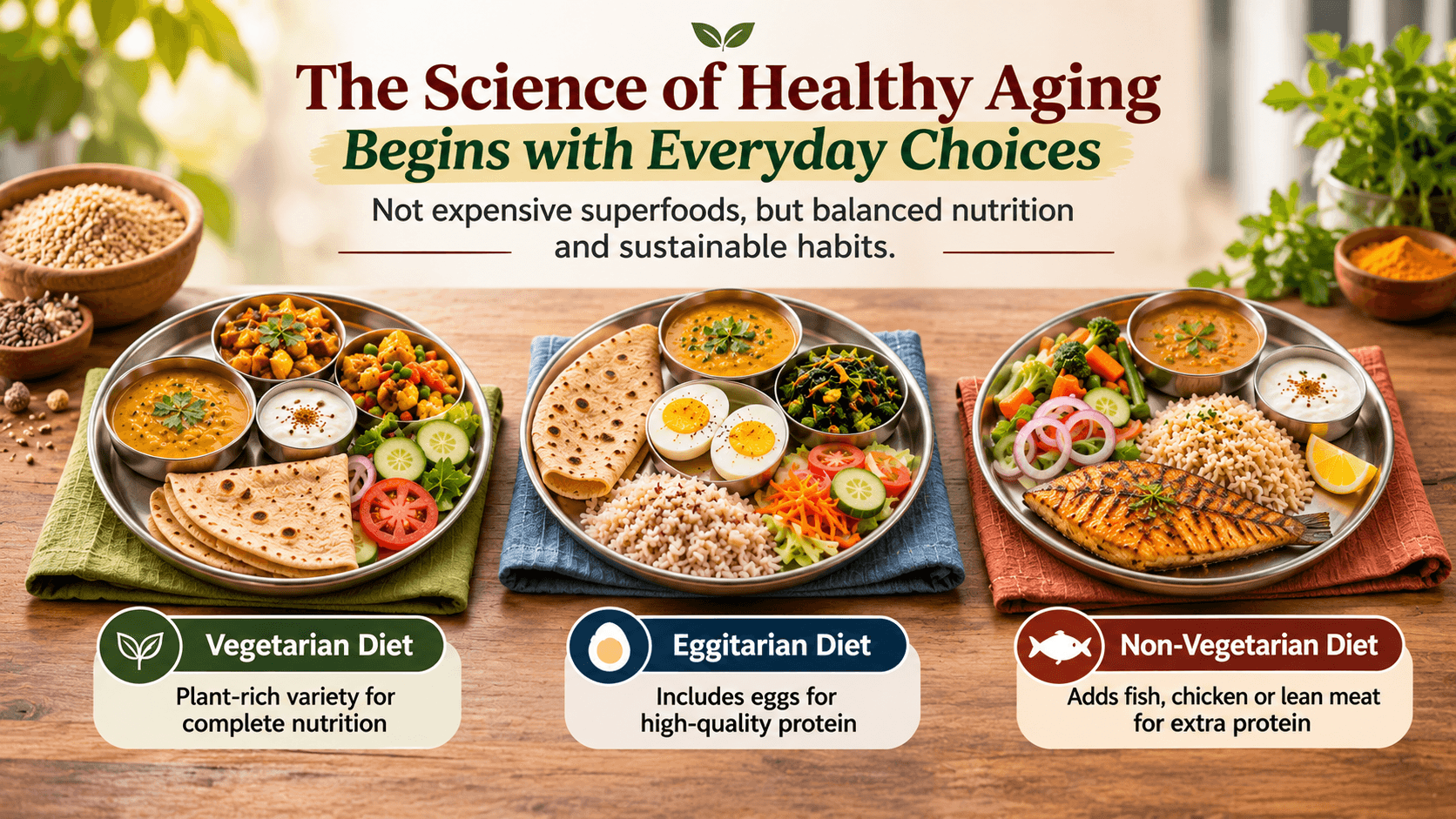
However, traditional Indian food is not inherently unhealthy. Dal, chickpeas, rajma, soy, milk, curd, paneer, eggs, fish and meat can contribute to protein needs. Millets, whole grains, vegetables and pulses also provide valuable nutrients.
The problem is not Indian cuisine. It is dietary imbalance, inadequate protein in some households, excessive refined carbohydrates and a lifestyle that does not stimulate muscles sufficiently.
For generally healthy adults, approximately 0.8 grams of protein per kilogram of body weight daily is a common baseline recommendation. Some older adults may benefit from around 1.0–1.2 grams per kilogram, depending on health, activity and clinical guidance. People with kidney disease or other medical conditions need individual advice.
3. Walking is beneficial. But is walking enough?
Walk through an Indian residential park early in the morning and you may see hundreds of people walking, stretching, practising yoga or performing breathing exercises.
These are valuable habits.
Walking supports cardiovascular health, improves mood, helps manage blood glucose and contributes to overall activity. Yoga can improve balance, flexibility and well-being. But walking alone does not necessarily provide enough resistance to preserve muscle strength and bone health as people age.
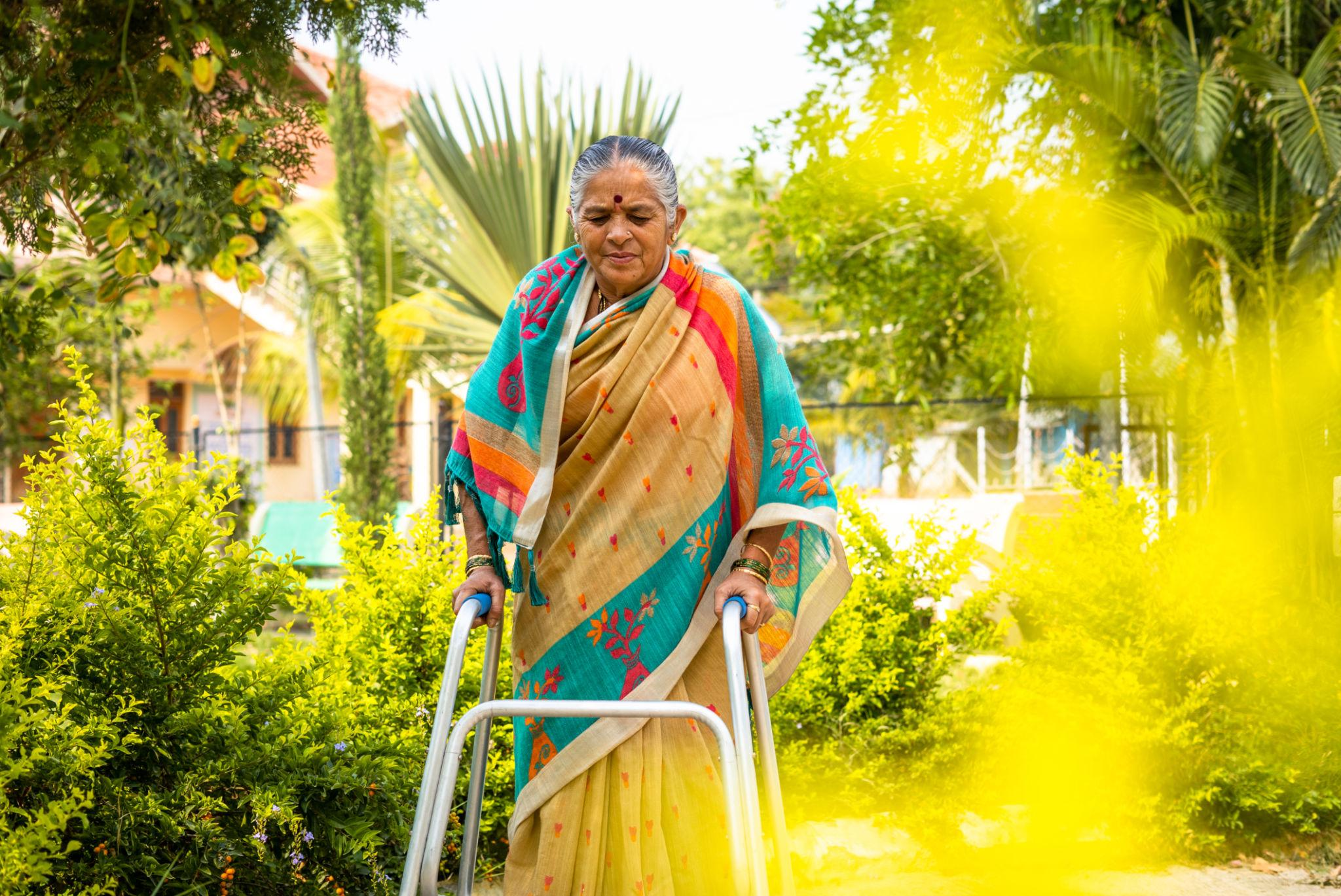
Aerobic activity. Supports heart health, stamina and metabolic function.
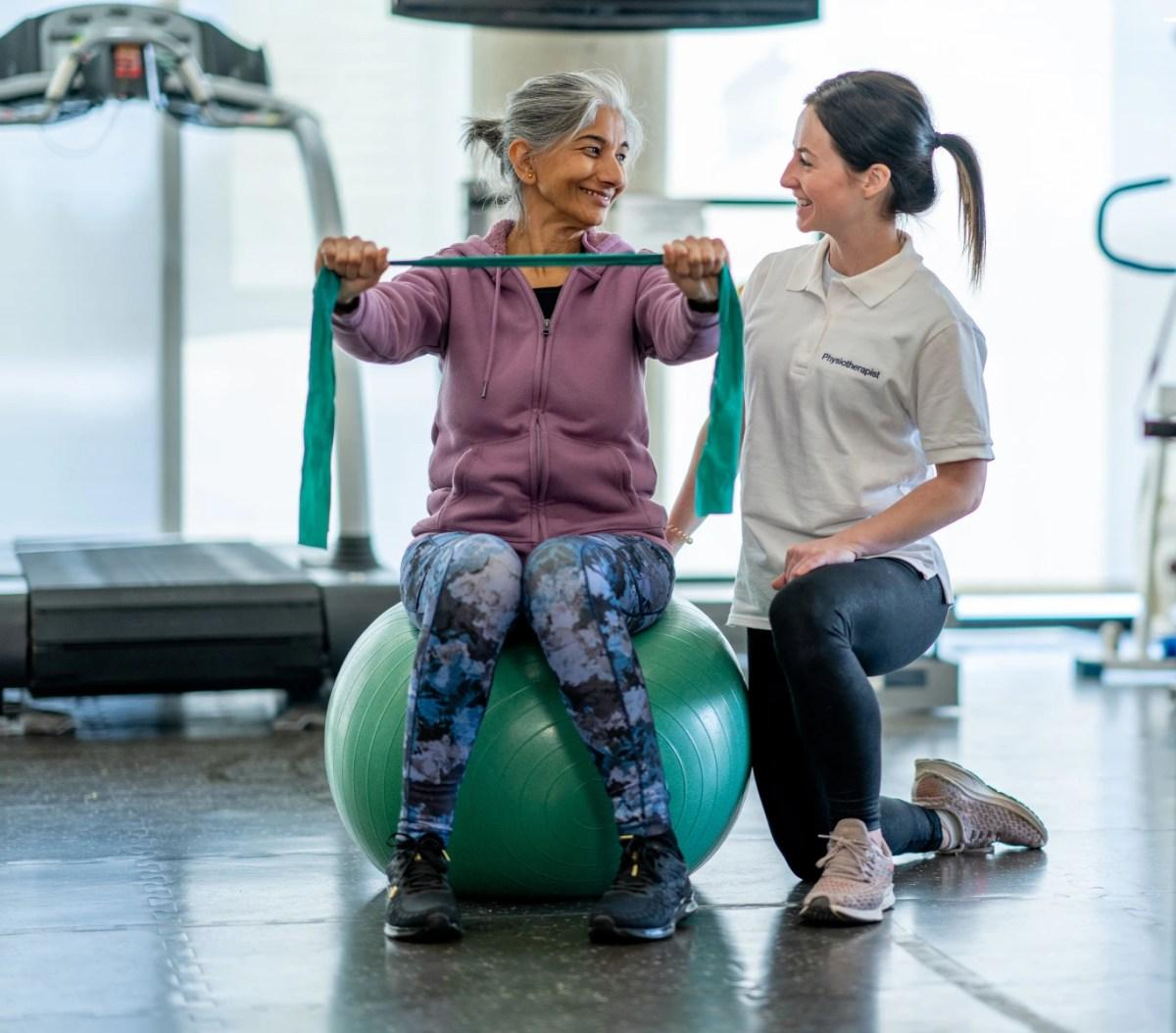
Resistance training. Helps preserve muscle strength, physical function and independence. An effective ageing strategy combines both.
The World Health Organization recommends that older adults perform regular aerobic activity, muscle-strengthening activities on at least two days weekly, and multicomponent exercises emphasising balance and strength on at least three days weekly.
For an older adult, strength training need not mean heavy bodybuilding. It can begin with supported squats, resistance bands, chair rises, wall push-ups or carefully supervised weight exercises.
The goal is functional: maintaining the ability to rise from a chair, carry a bag, recover from a stumble and climb stairs.
There is also a cultural dimension. In some Indian families, older relatives are encouraged to stop physical tasks as an expression of love and respect. While assistance is essential when someone needs it, unnecessary inactivity can accelerate deconditioning.
The better approach is to offer support without automatically removing every opportunity for safe movement.
4. Your strength at 70 begins much earlier than 70
A person's twenties and thirties are often among the most important decades for building physical capacity.
During these years, many people can develop substantial muscle strength, bone mass, cardiovascular fitness and healthy movement habits. Peak bone mass is generally achieved by early adulthood, while muscle strength may peak somewhat later and varies by individual.
These early investments create what can be described as a physical reserve.
The muscle-reserve principle
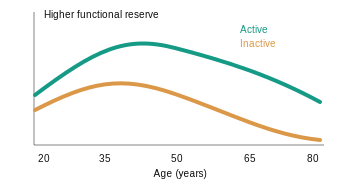
Conceptual illustration, not measured population trajectories. Strength can improve even after age 60 or 70.
In India, however, the transition from school to college, employment, marriage and family responsibilities often leaves physical fitness low on the priority list.
A student may spend years preparing for competitive examinations. An office employee may sit for eight to ten hours daily. A parent may sacrifice sleep and exercise to manage work and caregiving.
By forty, many people begin experiencing weight gain, poor stamina, reduced flexibility or declining strength.
By sixty, these accumulated disadvantages can become more visible.
But the idea that strength must be built before thirty is misleading if interpreted too rigidly. Research demonstrates that older adults can improve muscle strength and physical function through appropriately designed resistance training, including in advanced age.
The lesson is not that a missed opportunity at twenty-five is permanent. It is that the earlier strength becomes a habit, the more years a person can benefit from it.
5. Why chronic diseases are making Indians feel older, earlier
One of India's most pressing health challenges is the increasing burden of non-communicable diseases, including diabetes, hypertension and cardiovascular disease.
These illnesses do not necessarily begin with dramatic symptoms. They can develop gradually through a combination of genetic susceptibility, inactivity, dietary imbalance, poor sleep, stress and environmental exposures.
The 2023 ICMR-INDIAB study estimated a substantial burden of metabolic disease among Indian adults.
India's metabolic health burden
101.3M
People with diabetes
136M
People with prediabetes
315.5M
People with hypertension
351.1M
People with abdominal obesity
Estimated burden from ICMR-INDIAB, 2023. Categories overlap and must not be added together.
These numbers are especially important because chronic diseases affect more than survival. Poorly controlled diabetes may damage nerves, kidneys and vision. Cardiovascular disease can reduce exercise tolerance. Obesity combined with low muscle strength can make ordinary movement more demanding.
South Asian populations also face distinctive cardiometabolic risks, including a tendency toward greater abdominal fat and insulin resistance at relatively lower body mass indices. Some cardiovascular conditions appear at younger ages than in certain other populations, although a universal ten-year difference cannot be assumed.
For many Indians, what is dismissed as normal ageing may partly reflect preventable or treatable health problems.
An individual who struggles to climb stairs at fifty-five is not necessarily experiencing an unavoidable consequence of age. Their difficulties might involve muscle weakness, obesity, arthritis, anaemia, heart disease or another condition requiring assessment.
The danger lies in normalising these changes rather than investigating them.
6. Ageing is also a cultural and economic question
Why do some societies encourage retirement from work without retirement from physical activity, while others associate ageing with rest and dependence?
Part of the answer lies in social expectations.
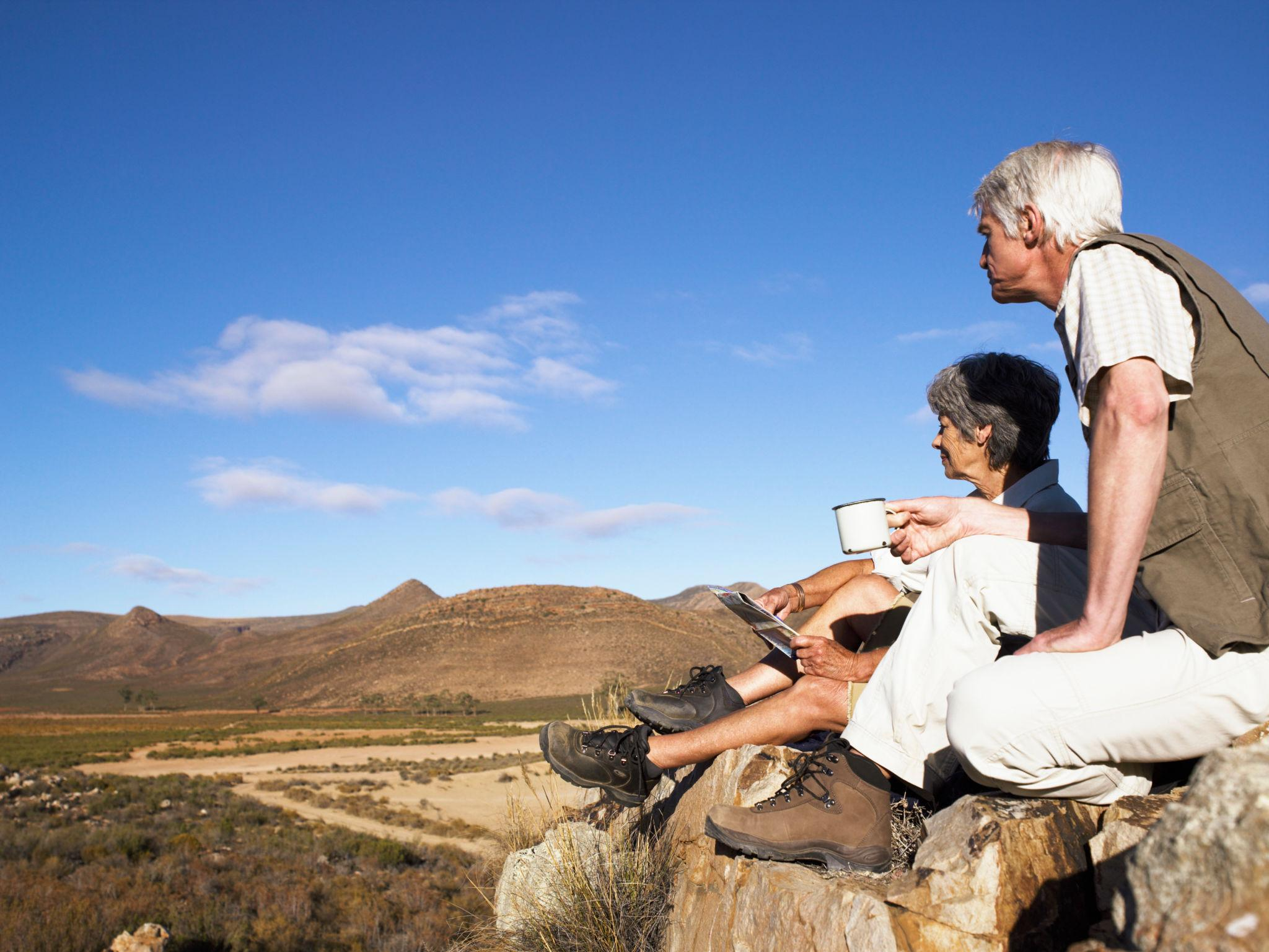
In some American communities, older adults participate in recreational sports, hiking clubs, strength-training classes, gardening, volunteering and organised senior fitness programmes.
India also has strong traditions of walking, yoga, farming, manual work and community engagement. But access to safe and age-friendly exercise opportunities remains uneven.
For an older woman living in a crowded urban neighbourhood, outdoor exercise may be restricted by traffic, pollution, poor pavements or personal safety concerns. For a low-income older adult, gym memberships, protein-rich food and preventive consultations may be financially inaccessible.
Women may face additional disadvantages. Decades of unpaid caregiving, limited recreational time, inadequate nutrition and untreated musculoskeletal problems can undermine their long-term physical health.
Meanwhile, physically demanding labour should not be confused with balanced fitness. A construction worker may perform strenuous tasks for decades yet lack sufficient recovery, healthcare and protection against occupational injuries.
The contrast between America and India must therefore be understood through the lens of opportunity, infrastructure and inequality, not merely personal discipline.
7. The Indian household blueprint: From surviving to thriving
Healthy ageing should not begin at retirement. It should become a lifelong household practice, supported by communities, workplaces and public institutions.
Five foundations of healthy ageing
Eat for Strength: Include adequate protein, vegetables, whole grains and diverse nutrient sources.
Train your Muscles: Combine walking with resistance exercises and progressive, safe strength development.
Detect Problems Early: Monitor blood pressure, blood glucose and other risks according to age and medical advice.
Remain socially active: Maintain hobbies, friendships, meaningful work and regular participation in community life.
Protect sleep and recovery: Prioritise consistence sleep, stress management and sufficient recovery between physical activities.
A practical weekly activity target
Activity | General recommendation |
Brisk walking or similar aerobic activity | 150–300 minutes weekly at moderate intensity |
Muscle-strengthening exercise | At least 2 days weekly |
Balance and functional exercises for older adults | At least 3 days weekly |
Sitting and inactivity | Interrupt prolonged sedentary periods |
Health screening | Individualised by age, risk factors and medical history |
These activity targets are based on WHO guidance. Older people who are frail, have significant illness or are returning after prolonged inactivity should begin at a manageable level, with professional guidance when appropriate.
8. The COSMINNOX Think Tank perspective: Healthy ageing must become a national development priority
India's demographic future cannot be measured solely by how many citizens live beyond sixty.
It must also be measured by how many can continue living with dignity, mobility, social participation and economic security.
A nation that increases survival without adequately addressing preventable disability may face growing pressure on healthcare services, family caregivers and household finances.
The Think Tank proposes a shift toward a healthspan-first policy framework built around four priorities.
Measure
Track healthy life expectancy, mobility limitations, falls and chronic disease
Prevent
Make nutrition, exercise and early screening accessible across income groups
Enable
Develop safe parks, community fitness programmes and age-friendly public spaces
Evaluate
Measure improvements in independence, quality of life and avoidable hospitalisation
Conclusion: Seventy should not be the beginning of dependence
The image of a seventy-year-old American hiking through the mountains and a sixty-year-old Indian struggling with everyday movement makes for a compelling comparison. But it is not a scientifically valid description of two entire populations.
What it reveals is a more important concern: physical independence is shaped by decades of accumulated opportunities, habits and health risks.
India has made substantial progress in helping people survive. Its next challenge is to help more people remain healthy and independent as they grow older.
Strength training cannot replace good healthcare. Protein cannot compensate for unsafe neighbourhoods. Medical screening alone cannot overcome poverty or social isolation.
But together, better nutrition, physical activity, preventive medicine and supportive environments can make healthy ageing more achievable.
The ultimate measure of longevity should not be how many birthdays a person celebrates, but how much independence, dignity and participation those additional years contain.
Sources and what to verify
Figures were taken from search excerpts of these pages on 26 October 2026, not from full-text reading. Check each against the original before publishing. The Reddit, Instagram and YouTube links in your outline were not used because they cannot be verified.
Life expectancy and HALE: GeoRank India vs US, WHO via Statistics of the World, Aging Medicine 2023, US Burden of Disease, JAMA, Lancet via HealthDay, Loop Health
Heart disease: INTERHEART via HealthDay, CADI Research, Indian Heart Association, Down To Earth on the Lancet state study, IndiaSpend on PLOS Medicine, PMC review of urban-rural CHD
Diet: Down To Earth, South First on ICMR-INDIAB, Medical Dialogues, I-STARCH-1 preprint
Activity and muscle: News Arena on the Lancet Global Health study, South First, Scientific American, ZOE, Pune sarcopenia study, Indian sarcopenia consensus